
PLANCKS 2026, 21 – 25 May
PLANCKS 2026, an international physics competition for bachelor’s and master’s students, was held from 21 to 25 May at Eindhoven University of Technology (TU/e) in the Netherlands. The competition brought together students around the world to compete, connect, and share their passion for physics.
In addition to a rigorous physics contest, the four-day programme featured talks, company visit, tours, and social activities. Participants also had the opportunity to learn about the research environment and culture of the host country.
Congratulations to the team from NUS Physics who achieved an impressive 9th place among 54 participating teams at PLANCKS 2026! Full departmental funding covering registration fee and airfare was provided to support students’ participation.
To find out more about PLANCKS, click here.
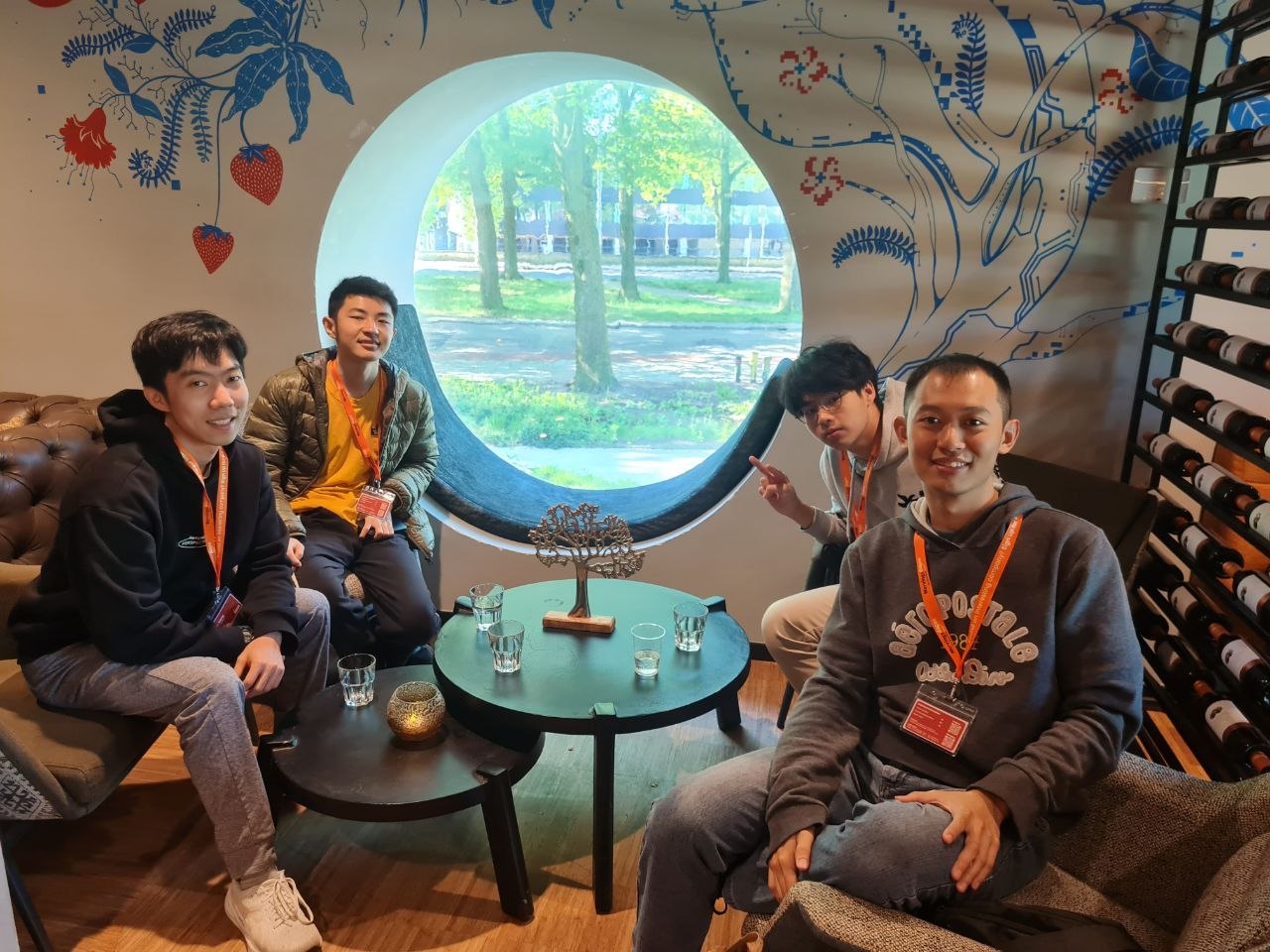
This was my second time participating in PLANCKS, and it is rewarding to see how much a single year of studies at NUS has improved my problem-solving skill set. I am quite happy that I could solve some of the problems that I couldn't have done last year.
This year's problems completely caught us off guard. Based on past papers and problems in the preliminaries, we heavily anticipated a focus on modern physics, but the questions turned out to be more toward the classical side of physics. It was a great lesson in adaptability: sometimes you can prepare so much, but life still throws a surprise. We all still tried our best regardless.
Most of the eye-opening encounters came from how the event was organised. Specifically, due to the Dutch housing crisis, a sports centre was converted into our accommodation. Also, as the event was hosted at TU/e, which is situated in an industrial hub, the talks and sponsorships were heavily industry biased. This was refreshing compared to the more academia-focused environment at NUS.
Chang Kian Yau, Year 3
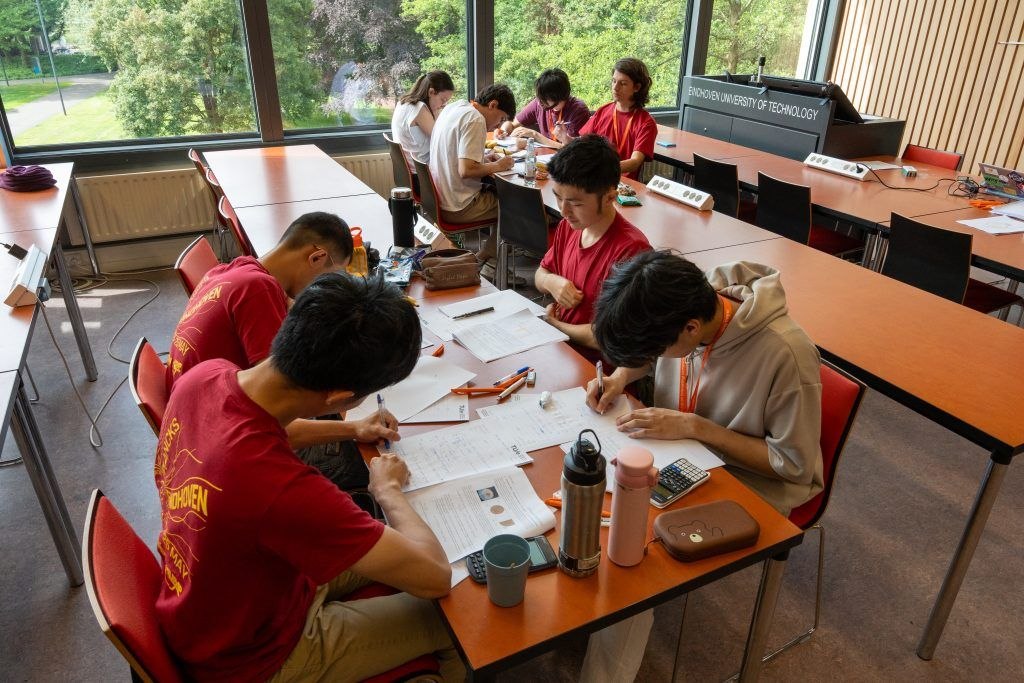
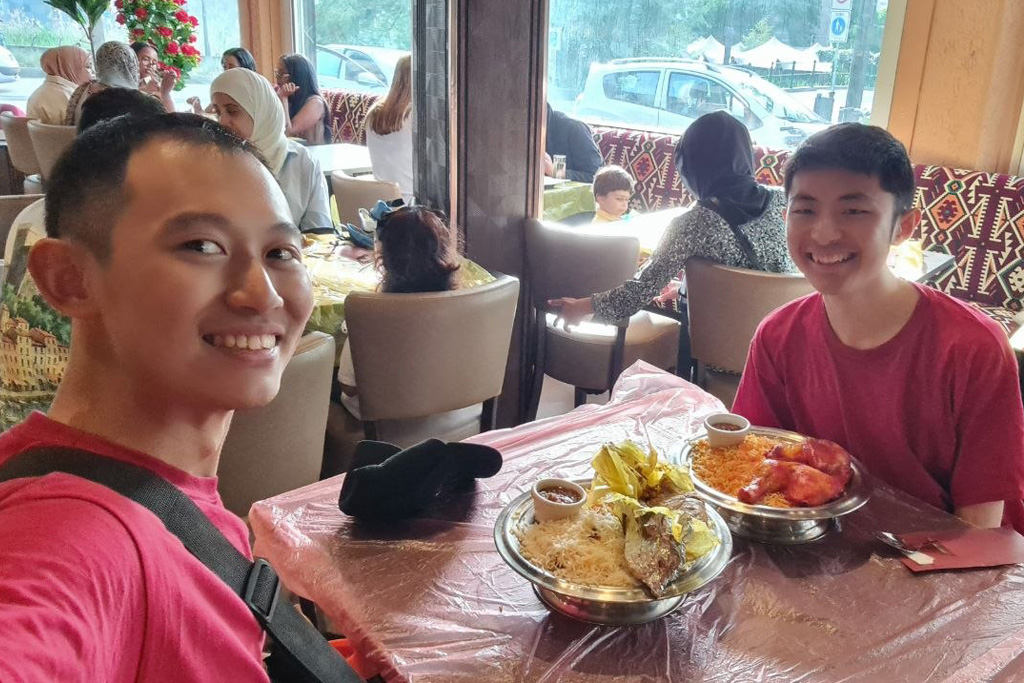
I would like to share one point about the city of Eindhoven itself. The city is known as the Lichtstad, or City of Light, from its legacy of matchstick industry, and it is also where Philips was established in 1891. I suppose it is why most of the lectures in the event were related to optics and photonics..
Nopparuj Sodsri, Year 2
PLANCKS 2026 was definitely an insightful one. I had the opportunity to interact with representatives from leading companies which oversee the design to manufacturing to delivering solutions to real world problem using the technology of photonics in areas such as early cancer detection (optofluidic) to tiny physical actuators or pressure sensors. I also really enjoyed the talk about meta-optics, the technology in controlling light projection in lens. This is kind of cool because it is going to be used in futuristic lens, just like in the movies that I used to watch as a child.
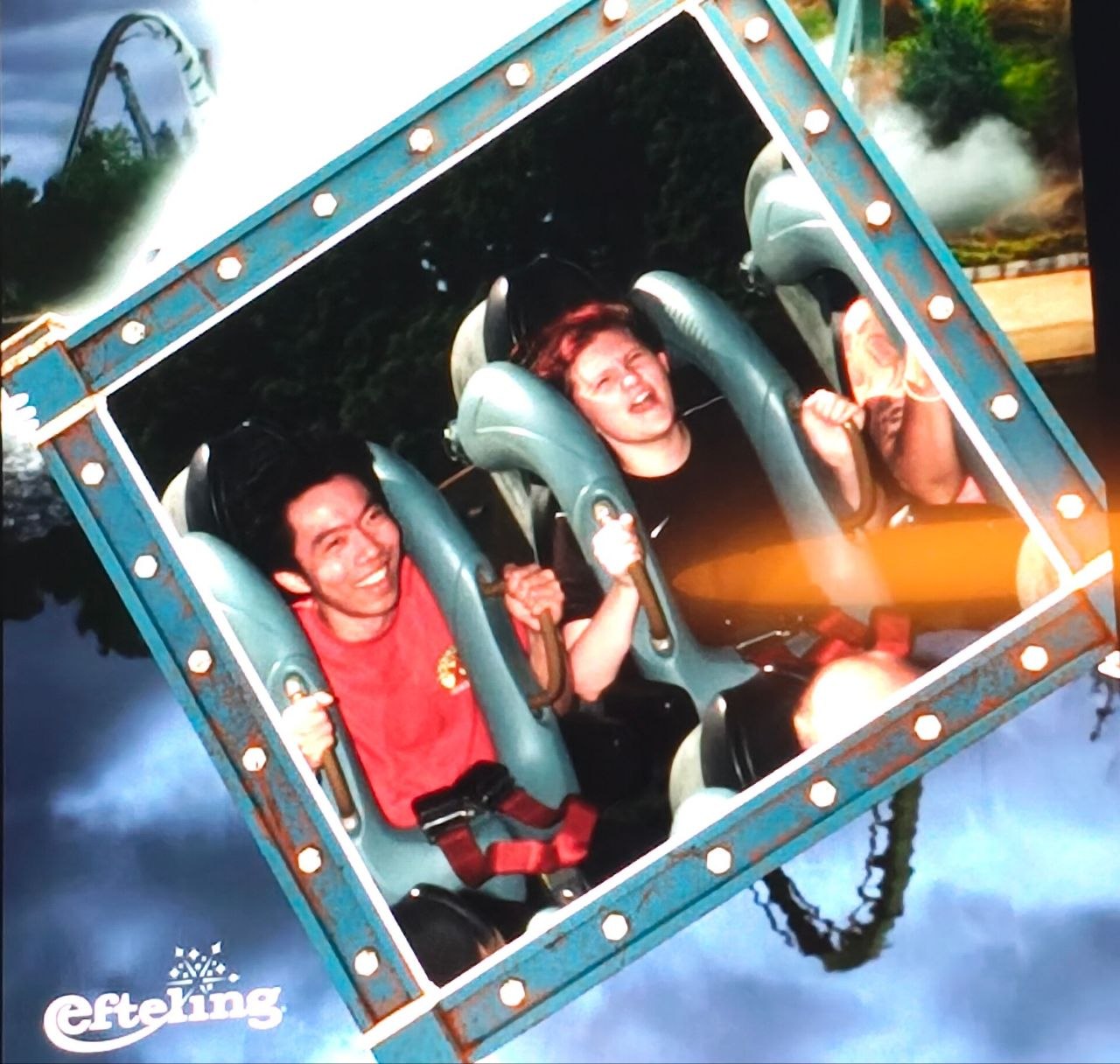
Perhaps, the most fun part of the trip was the last day when I visited Efteling theme park. I got the ticket for free because I made some new friends along the trip and some of them had to leave early so they gifted it to me. This was my first time riding a roller coaster, and I would say it was super eye-opening 🤪.
Sim Hui Xiang, Year 2
PLANCKS taught me that physics problem-solving requires more than familiarity with formulas. Some of the problems demanded physical judgment. For example, one question required us to identify the relevant physical quantities before using them to do dimensional analysis; there were also somewhat open-ended questions about modelling the trajectory of a car swerving and braking at the same time.
The competition also taught me the importance of teamwork. Unlike normal coursework, where we usually solve problems individually, PLANCKS required us to distribute the problems efficiently and allowed us to discuss with one another so that we don’t get stuck in our own thinking. This made me appreciate how powerful collaborative problem-solving can be.
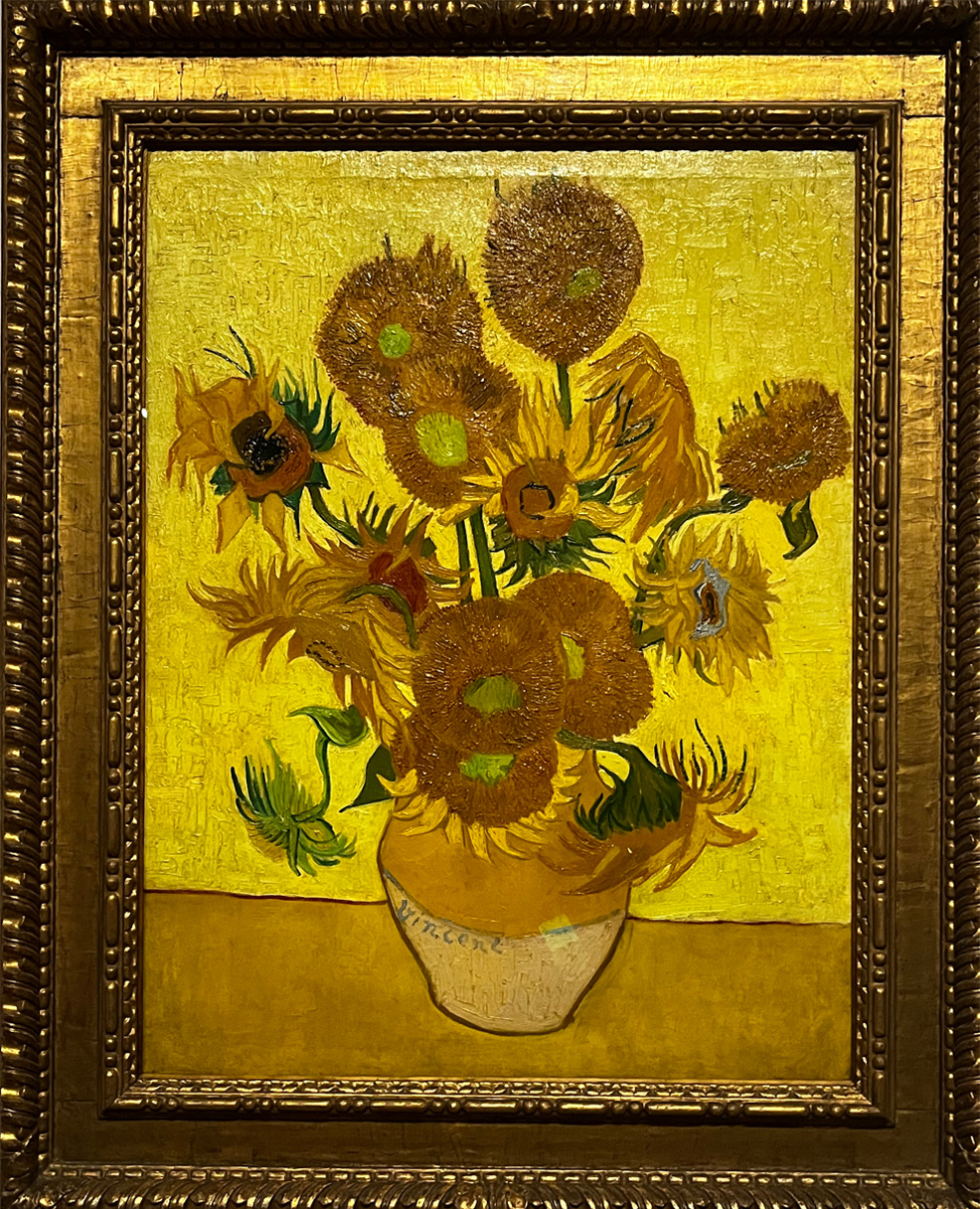
One eye-opening experience was visiting the Van Gogh Museum in Amsterdam on my last day in the Netherlands, before my flight departed. Although it was not directly related to the physics competition, it became one of the most memorable parts of my trip. I learned that Van Gogh only began his artistic career seriously at around the age of 27, yet within about a decade he produced works that later became some of the most influential paintings in the world.
As a physics student, I found this very inspiring. Van Gogh’s story reminded me that one does not need to have everything figured out from the beginning. What matters is the seriousness, honesty, and persistence with which one pursues a subject. Physics can also feel like this: progress is often slow, many ideas do not work immediately, and the value of one’s effort may not be obvious at first. Van Gogh’s late start and intense dedication encouraged me to stay patient and keep pursuing physics with curiosity and commitment.
Su Tianshui, Year 4