
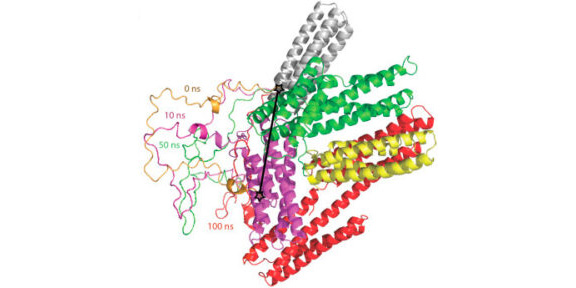
The mechanical response of vinculin
This study delivers the first quantitative, single-molecule measurement of force-dependent conformational transitions in vinculin, using high-precision magnetic tweezers and molecular
This study delivers the first quantitative, single-molecule measurement of force-dependent conformational transitions in vinculin, using high-precision magnetic tweezers and molecular

Bayes’ rule updates beliefs from new evidence and can be derived from a “minimum change” principle that alters prior beliefs

Graphene has the highest room-temperature mobility but was historically outperformed at low temperatures by GaAs 2D electron gas, which achieves
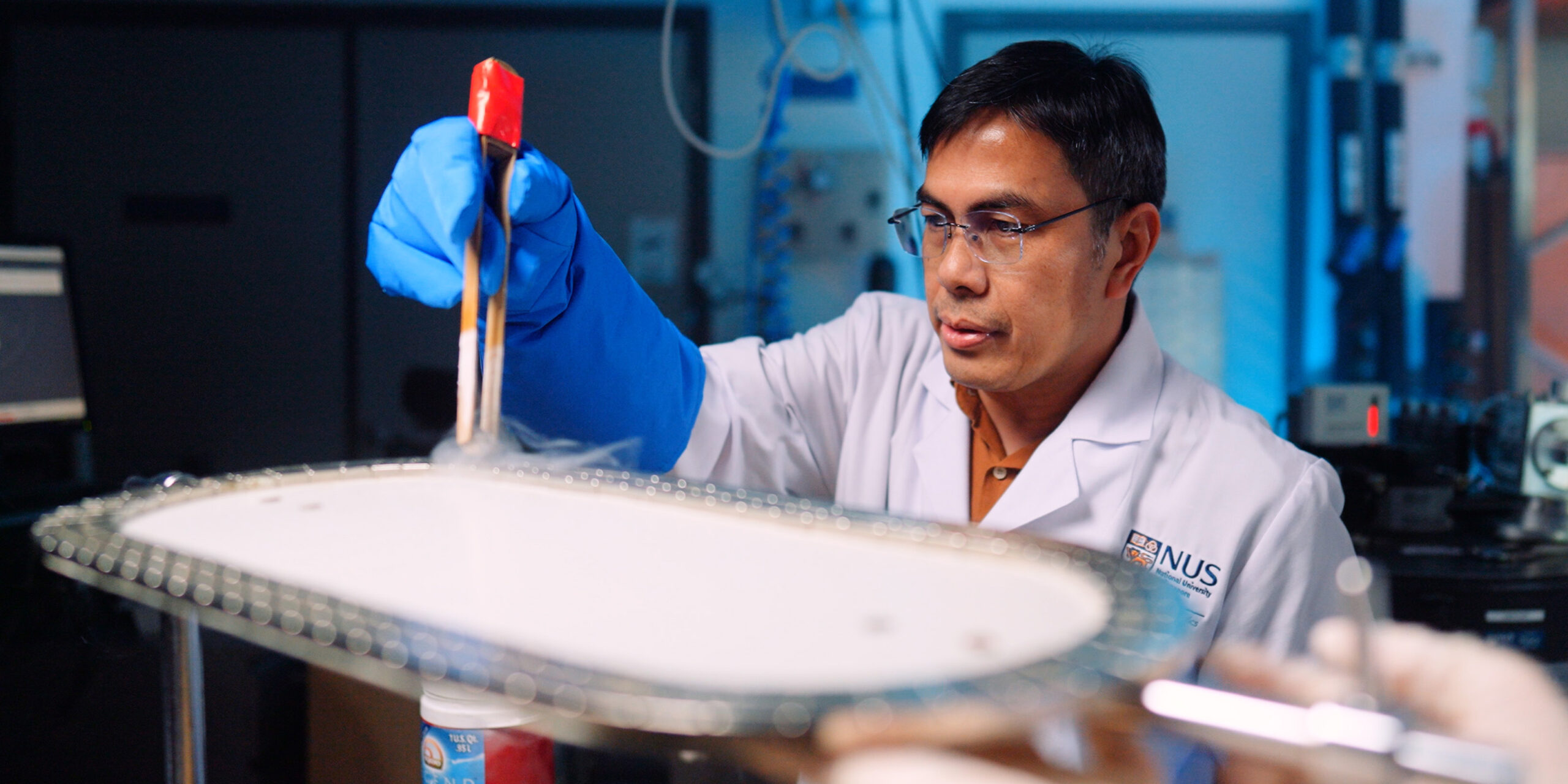
For decades, physicists sought cuprate-like high-temperature superconductivity without copper, turning to nickelates as chemically similar candidates. Earlier superconducting nickelates were
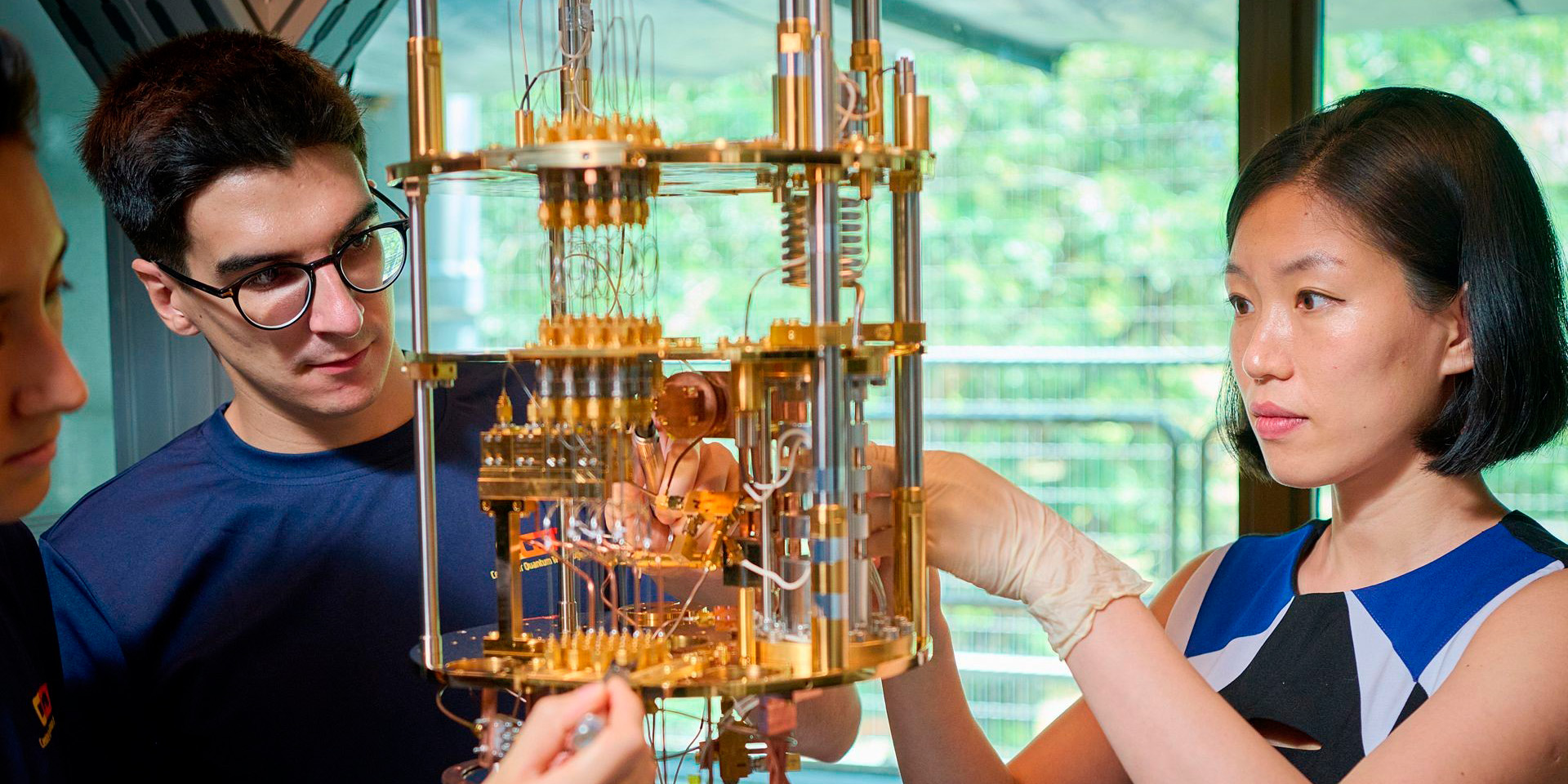
This work introduces a superconducting circuit that combines long-lived harmonic oscillators with rapid, on-demand tuning, enabling fast control without compromising
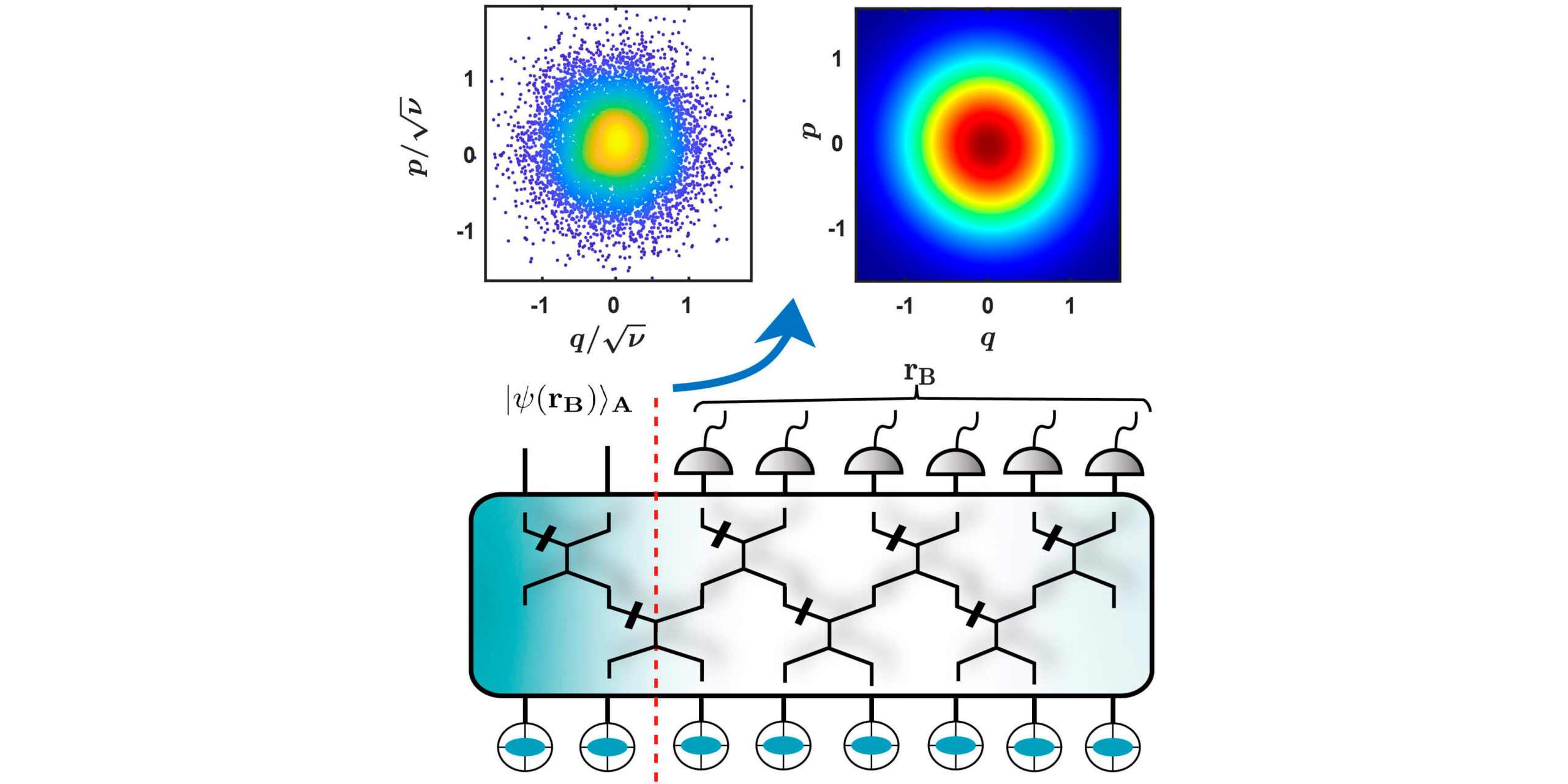
Deep thermalization is an emergent universal behaviour occurring in the equilibration dynamics of quantum many-body systems, which goes beyond regular
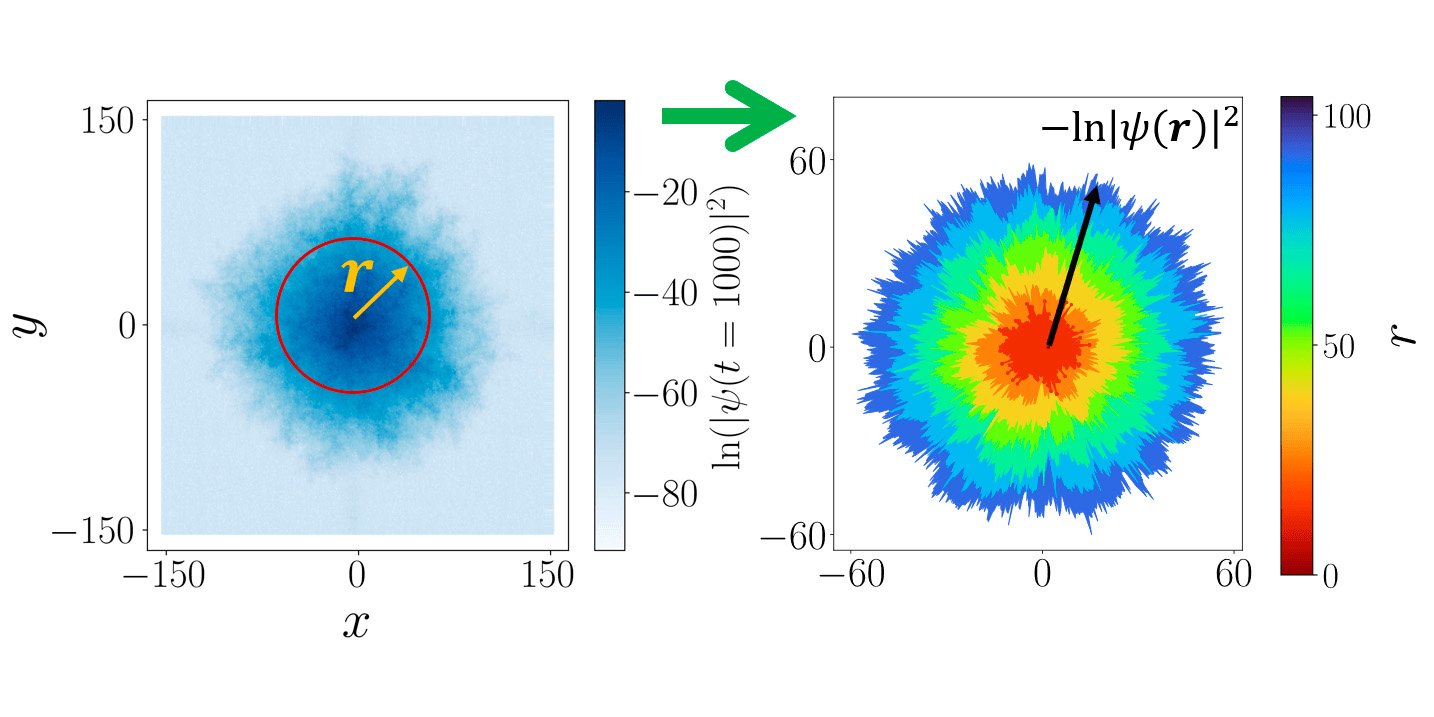
We’ve uncovered a surprising connection between how coffee droplets spread on paper and when quantum particles become frozen in highly
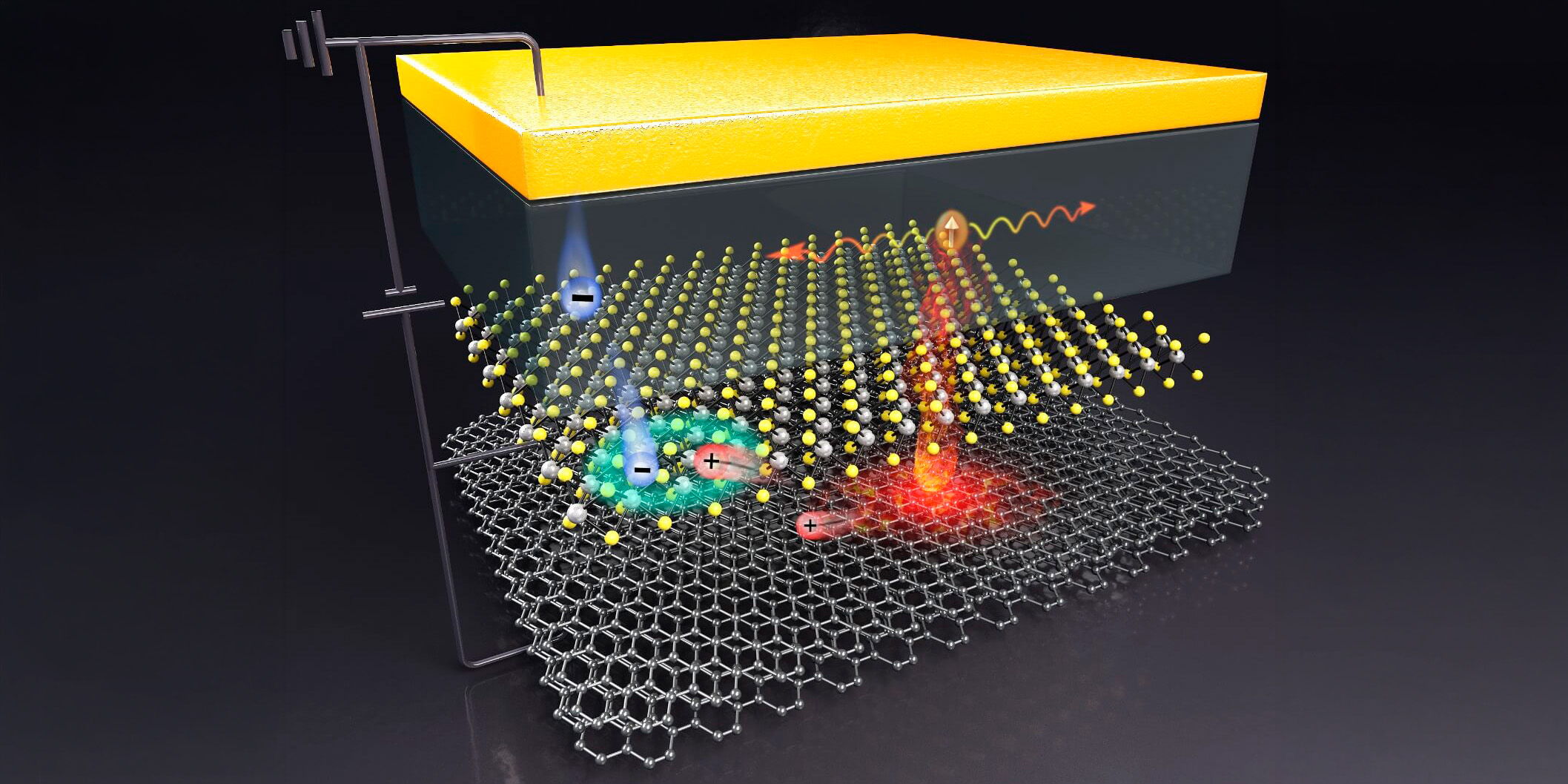
Dr. Zhe Wang from NUS, in collaboration with international researchers led by Prof Goki Eda, recently discovered that a single
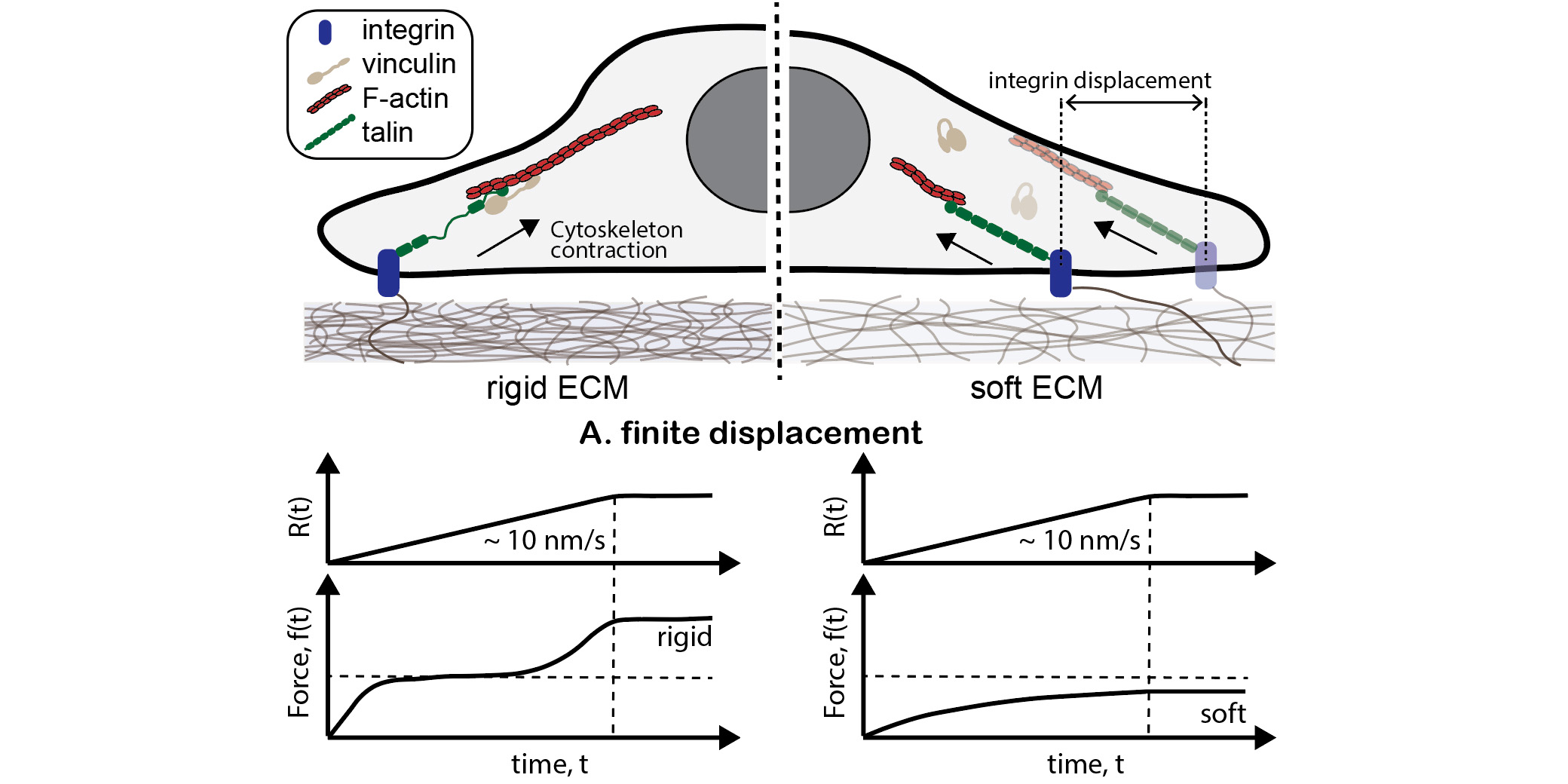
Dr. Jingzhun Liu and Prof. Jie Yan from NUS have made a groundbreaking discovery in the field of cellular mechanosensing
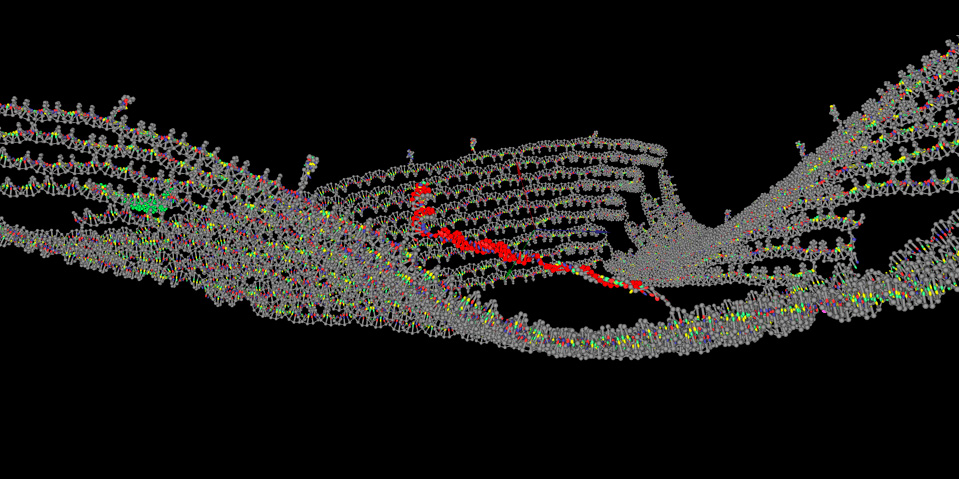
Nanorobots powered by designed DNA molecular motors on DNA origami platforms are vigorously pursued but still short of autonomous and
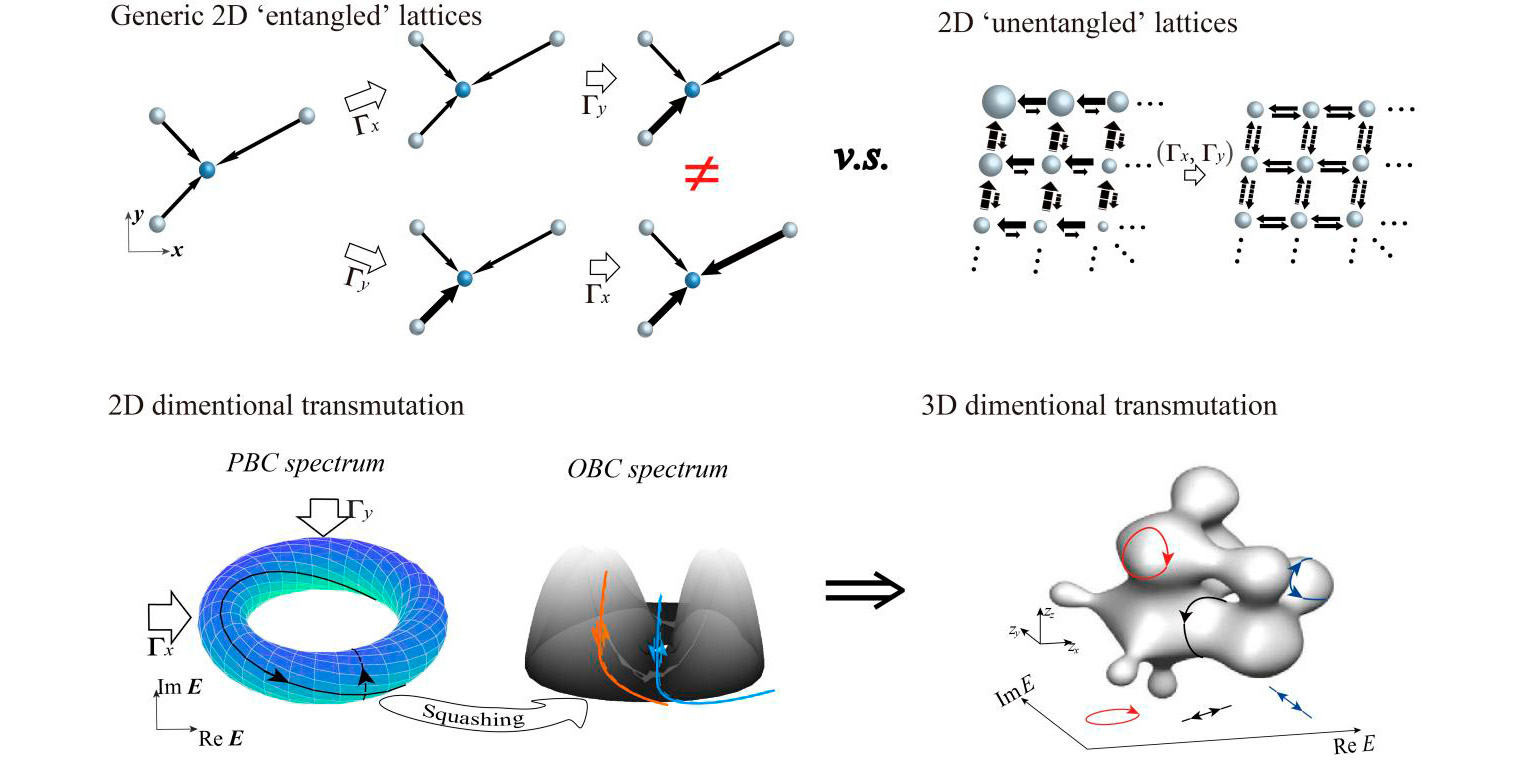
Dr. Jiang Hui from NUS,led by Prof. Lee Ching Hua, has recently unveiled a groundbreaking discovery: non-Hermiticity redefines lattice dimensionality,

The supermoiré lattice, built by stacking two moiré patterns, is regarded as the next generation moiré quantum matter. The main
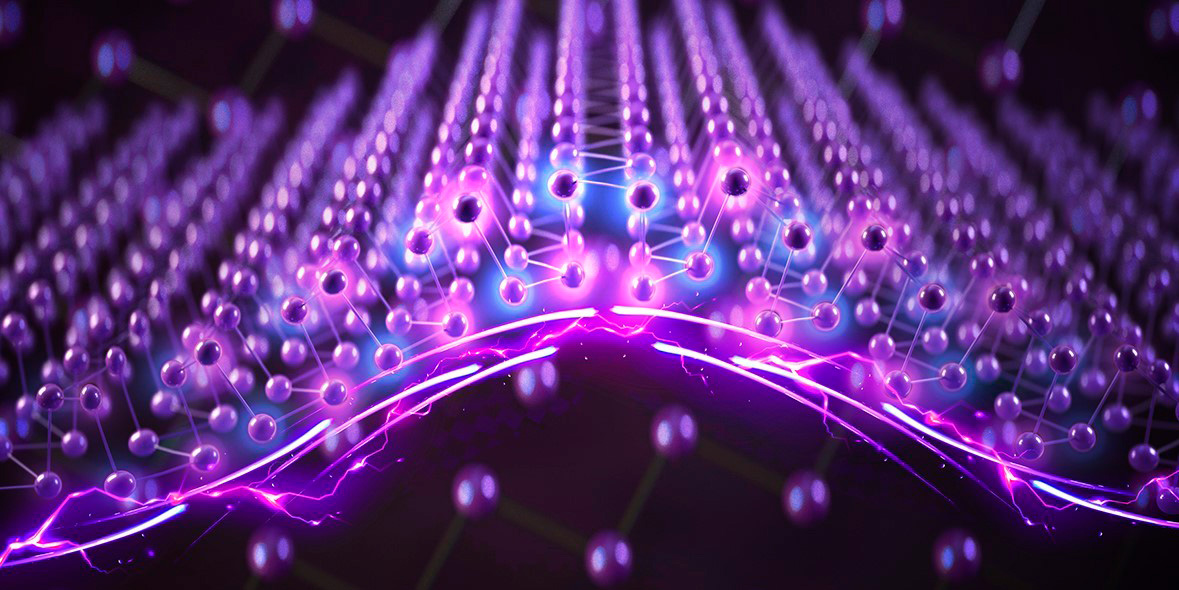
Ferroelectrics are famous for their versatile applications in memories, solar cells etc., despite their limited variety. Dr Gou Jian from
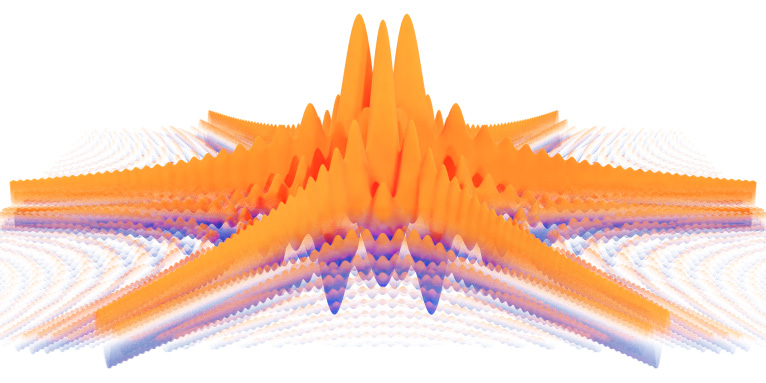
Harmonic oscillators are the simplest systems studied in physics— so simple that they have the same dynamics (i.e. how they
A key focus of condensed matter physics is the study of new states of matter. States that are immune to
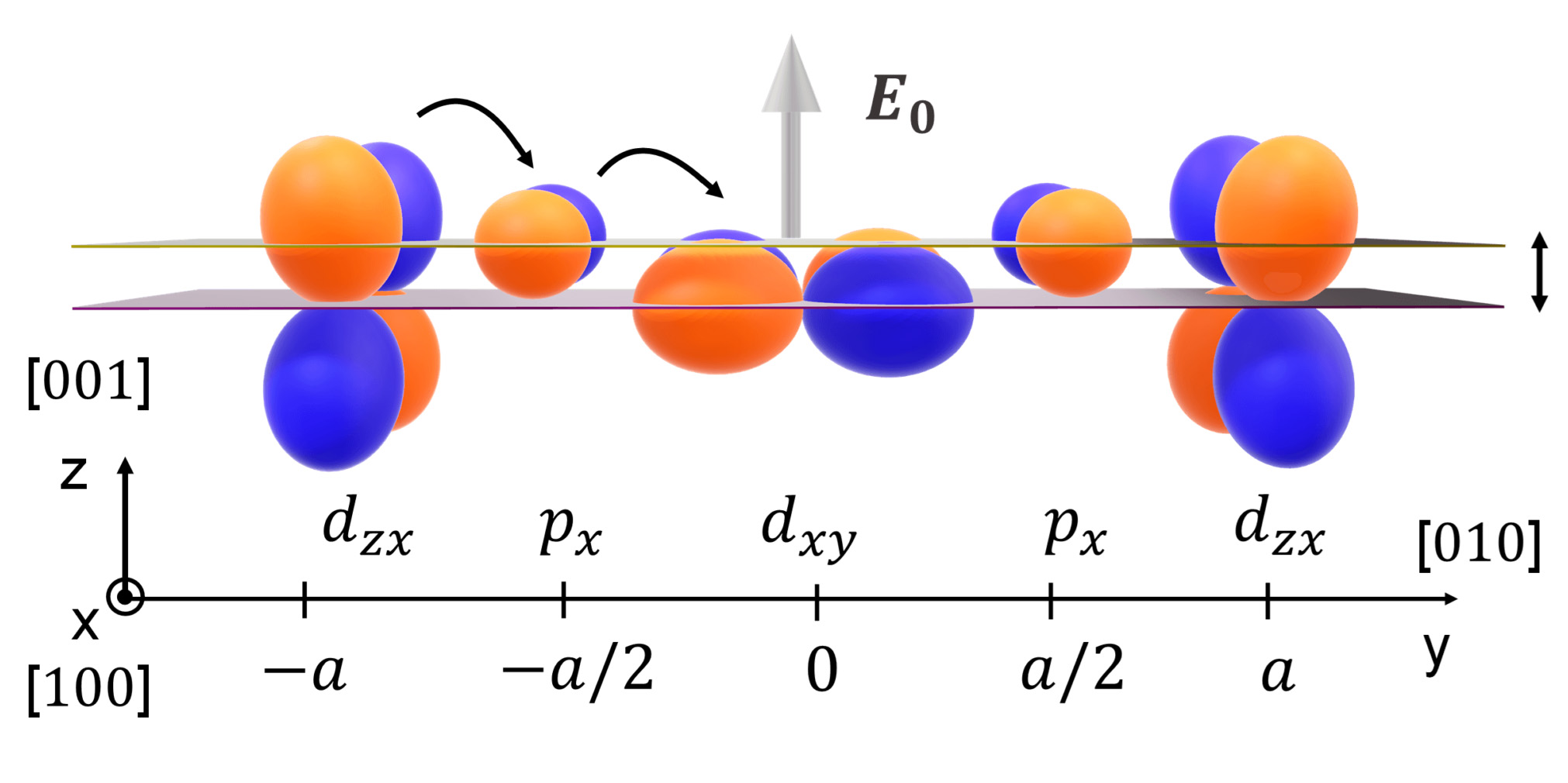
The spin-orbit effect has the potential to result in new scientific discoveries and improve advanced electronics. One highly sought-after outcome
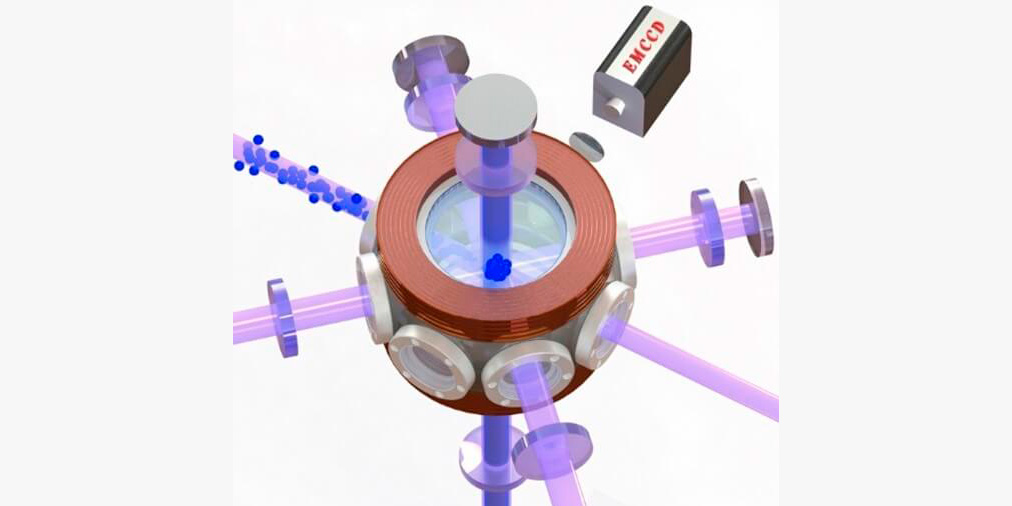
Trapped, ultracold atoms allow scientists to study a range of exotic quantum phenomena, such as superconductivity and superfluidity. But it
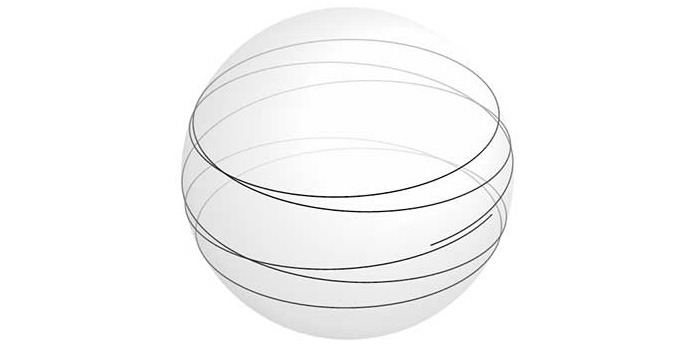
We are all familiar with the concept of celestial bodies orbiting around one another, such as the Earth orbiting around
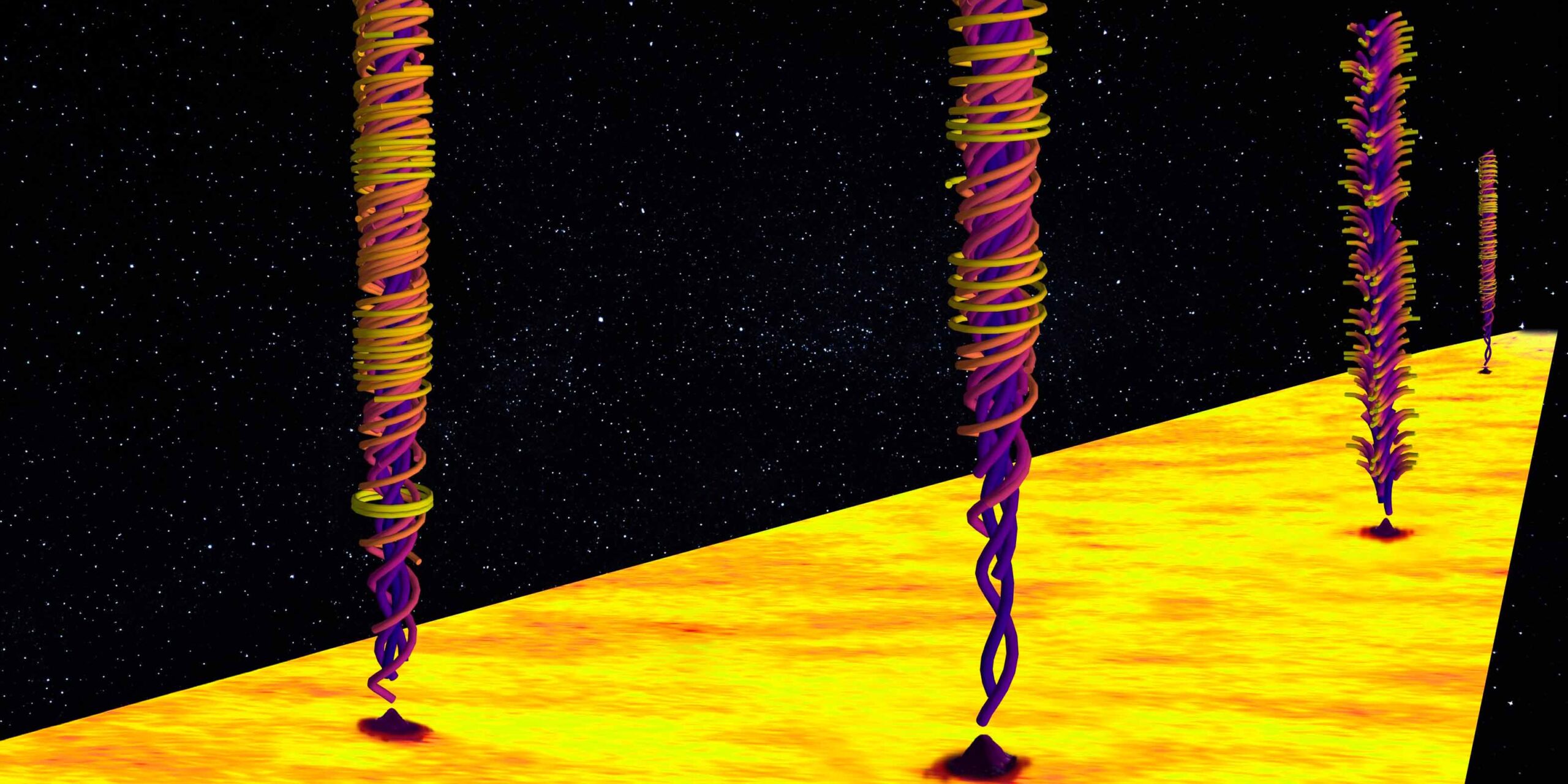
Whirling vortex-like magnetic nano-textures in anti-ferromagnets are predicted to be highly robust, ultra-small and ultra-fast. Each pattern comprises many little

A fundamental question in mechanobiology is how mechanical stimuli are sensed and converted into signals that regulate cellular responses to
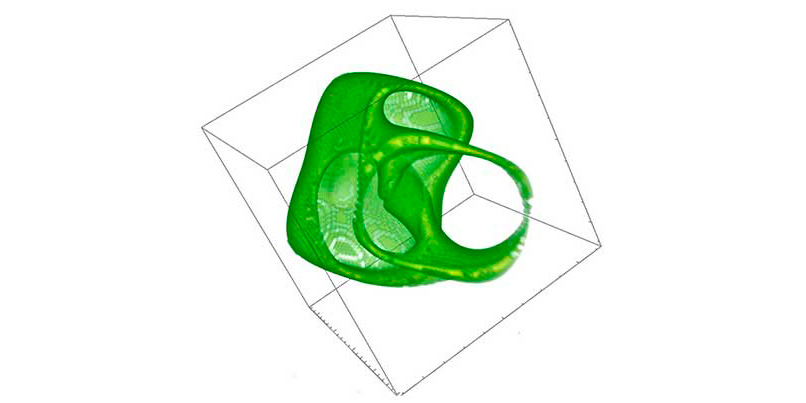
The world of quantum mechanics is characterised by its discrete nature, where particles can only have energies in step-like amounts,
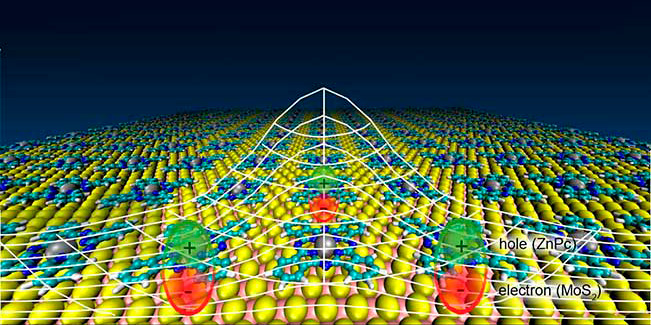
A Bose-Einstein condensate is an exotic state of matter in which all particles have the same energy and are completely