
OCPA10, 22 – 27 June 2026
The International Organisation of Chinese Physicists and Astronomers (OCPA), founded in 1990, aims to promote research, education, collaboration, and leadership across all areas of physics and astronomy. Besides organising international conferences to facilitate information exchange and collaboration among physicists worldwide, it also administers three major awards annually. Learn more about OCPA here.
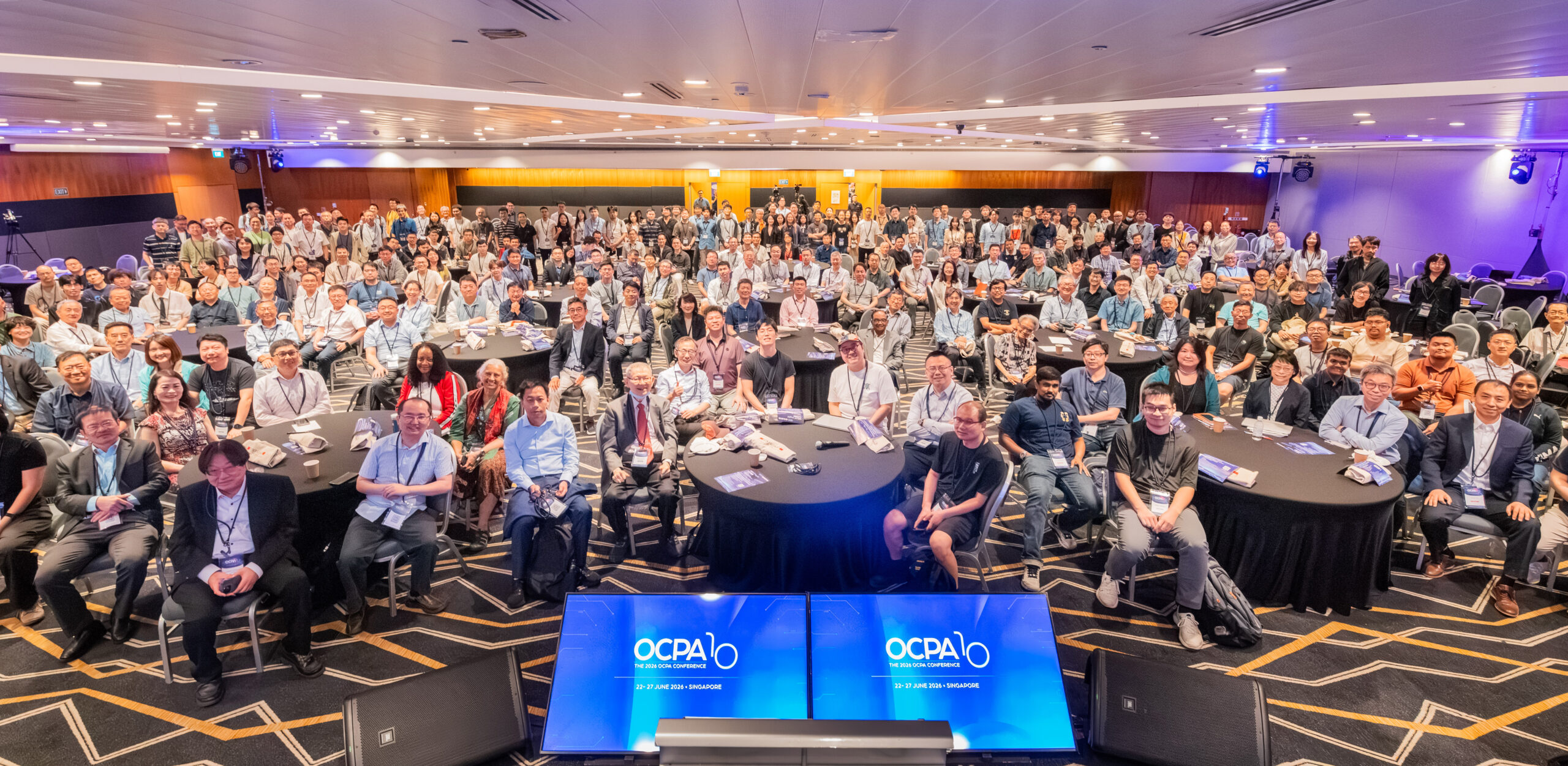
The 2026 OCPA conference (OCPA10) took place in Singapore from 22 to 27 June with close to 400 participants from across North America, Europe, and Asia. The event was chaired by the president of OCPA, Prof W Vincent Liu from the University of Pittsburgh, and co-chaired by Prof Gong Jiangbin from the National University of Singapore (NUS). It was also attended by the presidents of the American Physical Society (APS), the Chinese Physical Society, and the Physics Society of Taiwan.
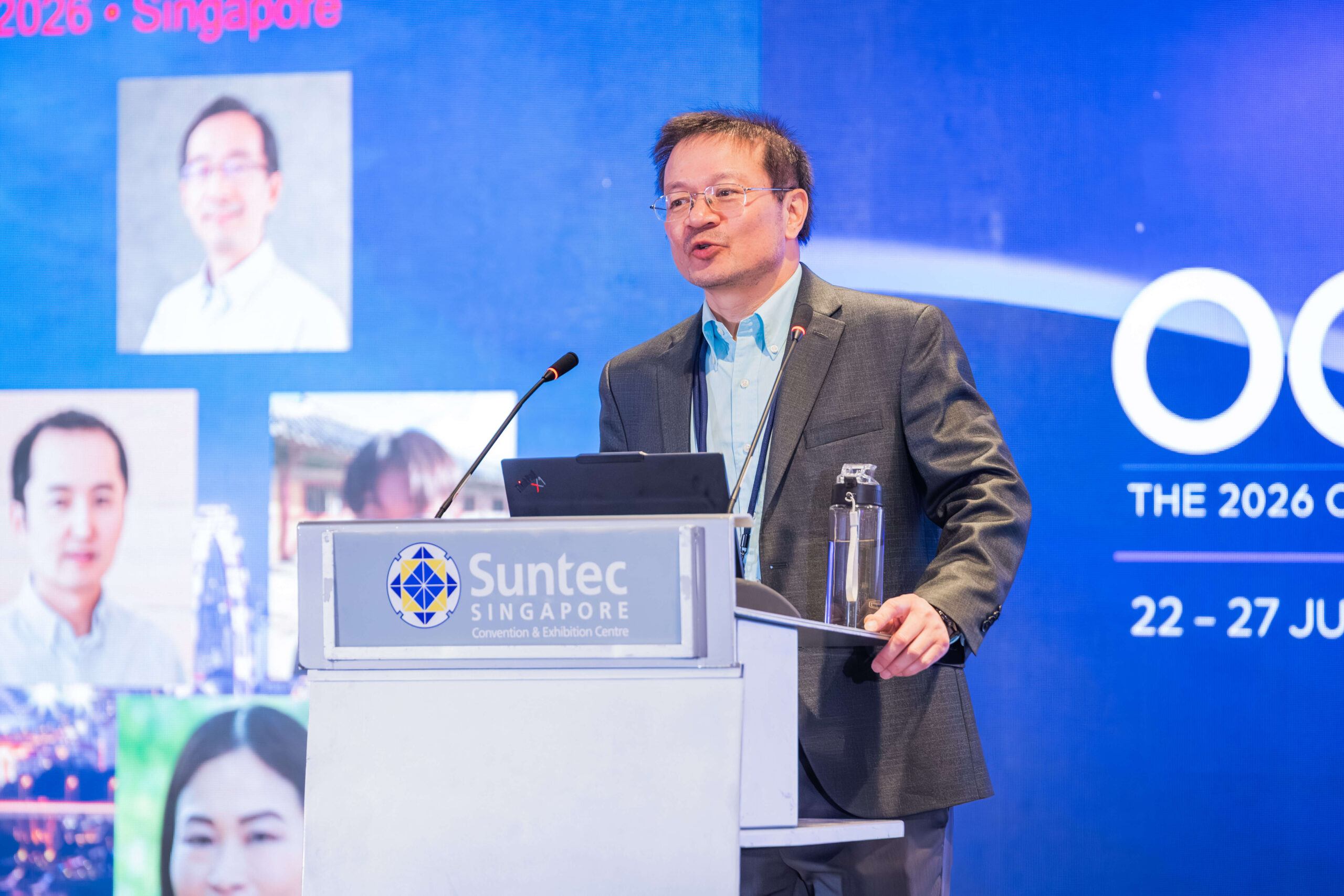
During the opening ceremony at the Suntec City Convention Centre, Prof Liu gave a brief introduction of OCPA. He acknowledged the work done by the past presidents and praised their efforts at organising a conference during the COVID-19 pandemic which did not materialise unfortunately. A round of applause was given to the founder and first president of OCPA, Prof Chang Ngee Pong from the City College of New York. Prof Chang has been an advisor to the board and council since the inception of OCPA and has played an instrumental role in advising the younger generation on the running of OCPA.
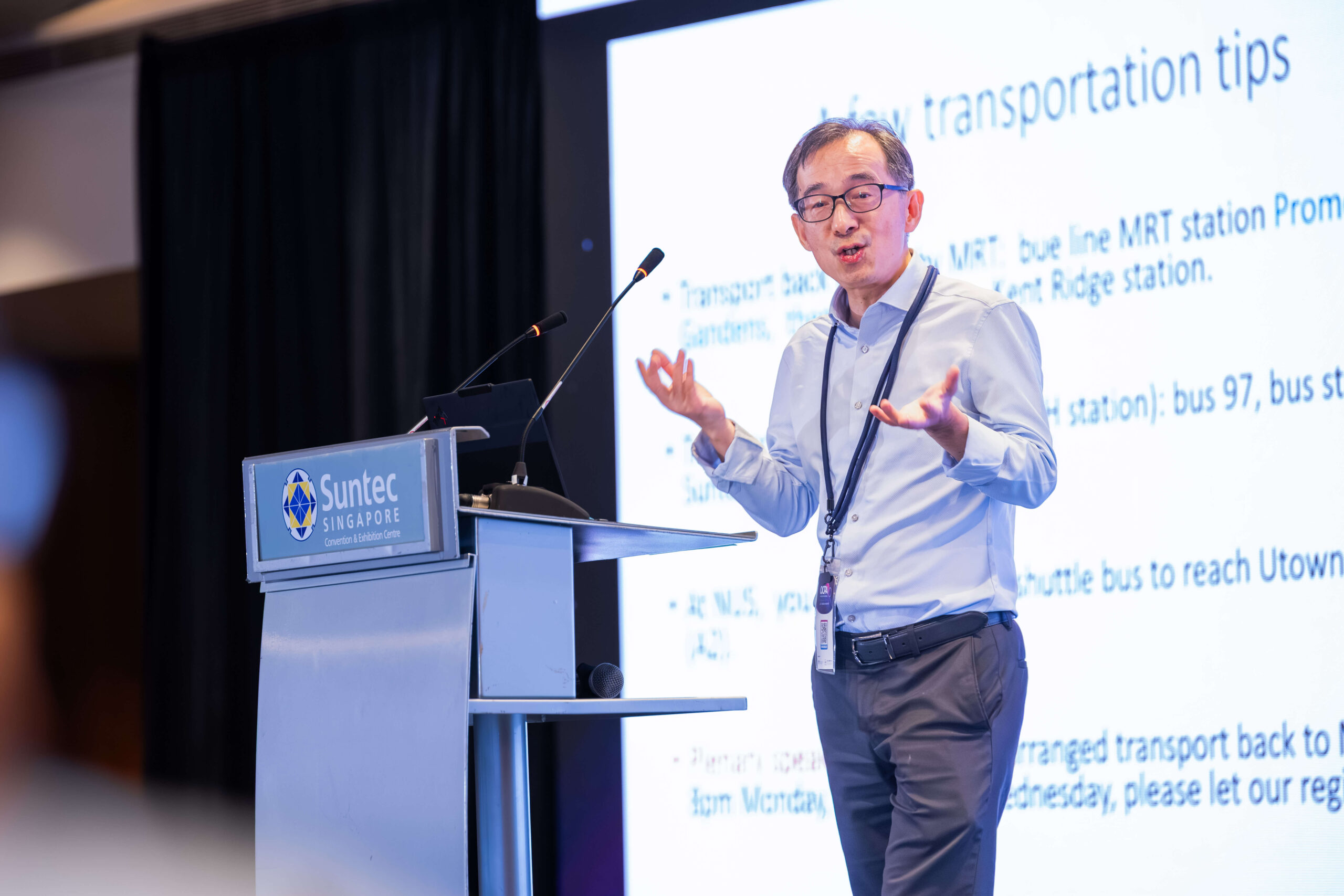
Prof Gong shared about a lunch meeting he had over ten months ago with some overseas friends. Before he even realised it, it was decided there and then that NUS Physics would undertake the organisation of OCPA10. He was honoured by the trust that OCPA has placed in NUS Physics in organising such a large-scale event and expressed his gratitude for support from the various organising committees, department colleagues, and the NUS Conference Event Unit.
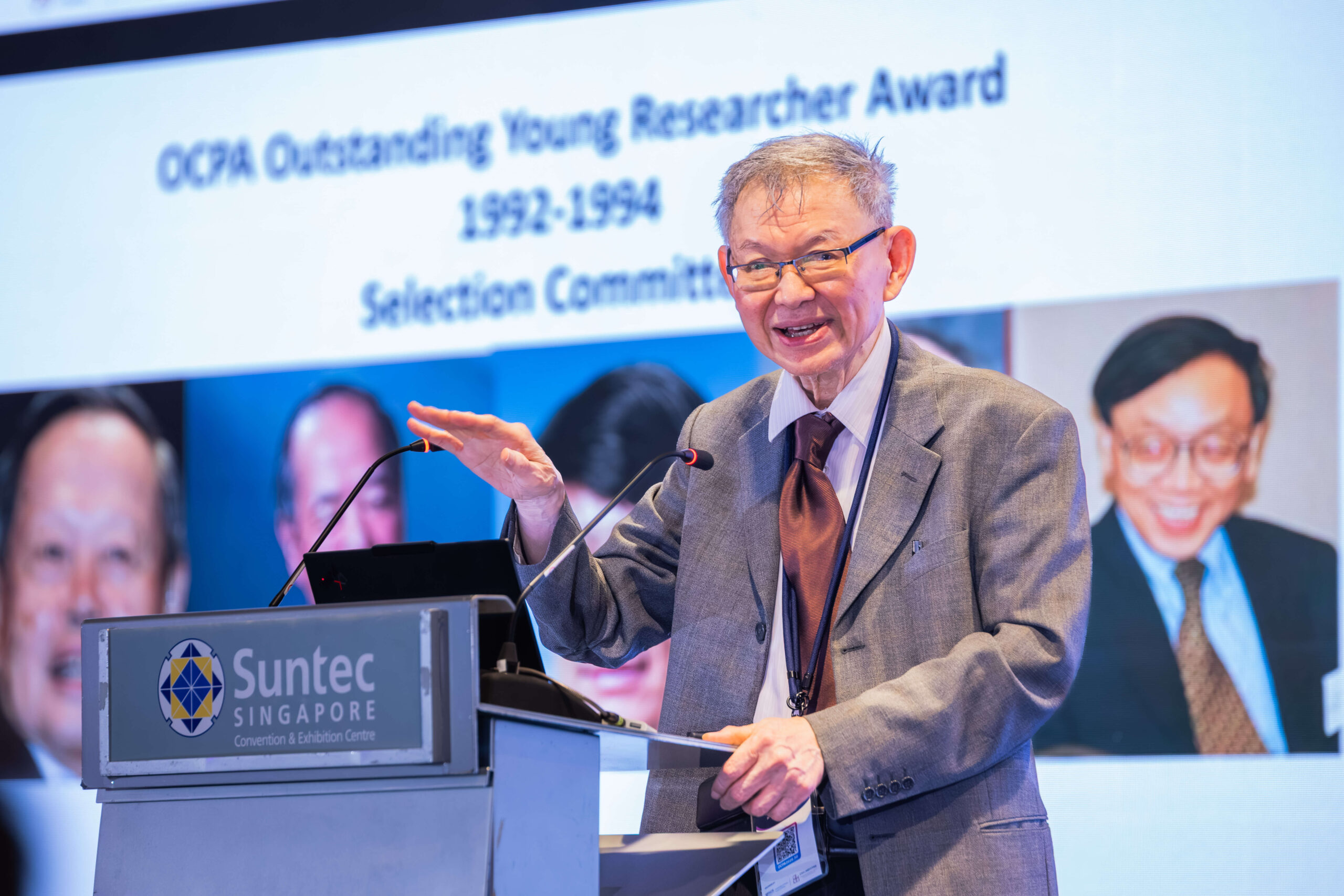
The conference programme featured plenary sessions by prominent physicists including Nobel Laureate Prof Samuel C C Ting from the Massachusetts Institute of Technology. There were also special plenary sessions devoted to tributes for the late Nobel Laureate Prof Yang Chen Ning.
Prof Yang, a towering 20th-century theoretical physicist, had worked on various subjects in physics with focus on statistical mechanics and symmetry principles. He further revolutionised modern physics by co-developing the Yang-Mills theory, which serves as the foundational framework for the Standard Model of particle physics.
Prof Yang also left an indelible legacy in local education. In 2006, he launched the CN Yang Scholars Programme for undergraduate students with career aspirations in science and engineering at the Nanyang Technological University of Singapore. Prof Yang personally advocated for and helped guide the establishment of the Tan Kah Kee Young Inventors’ Award in 1986.
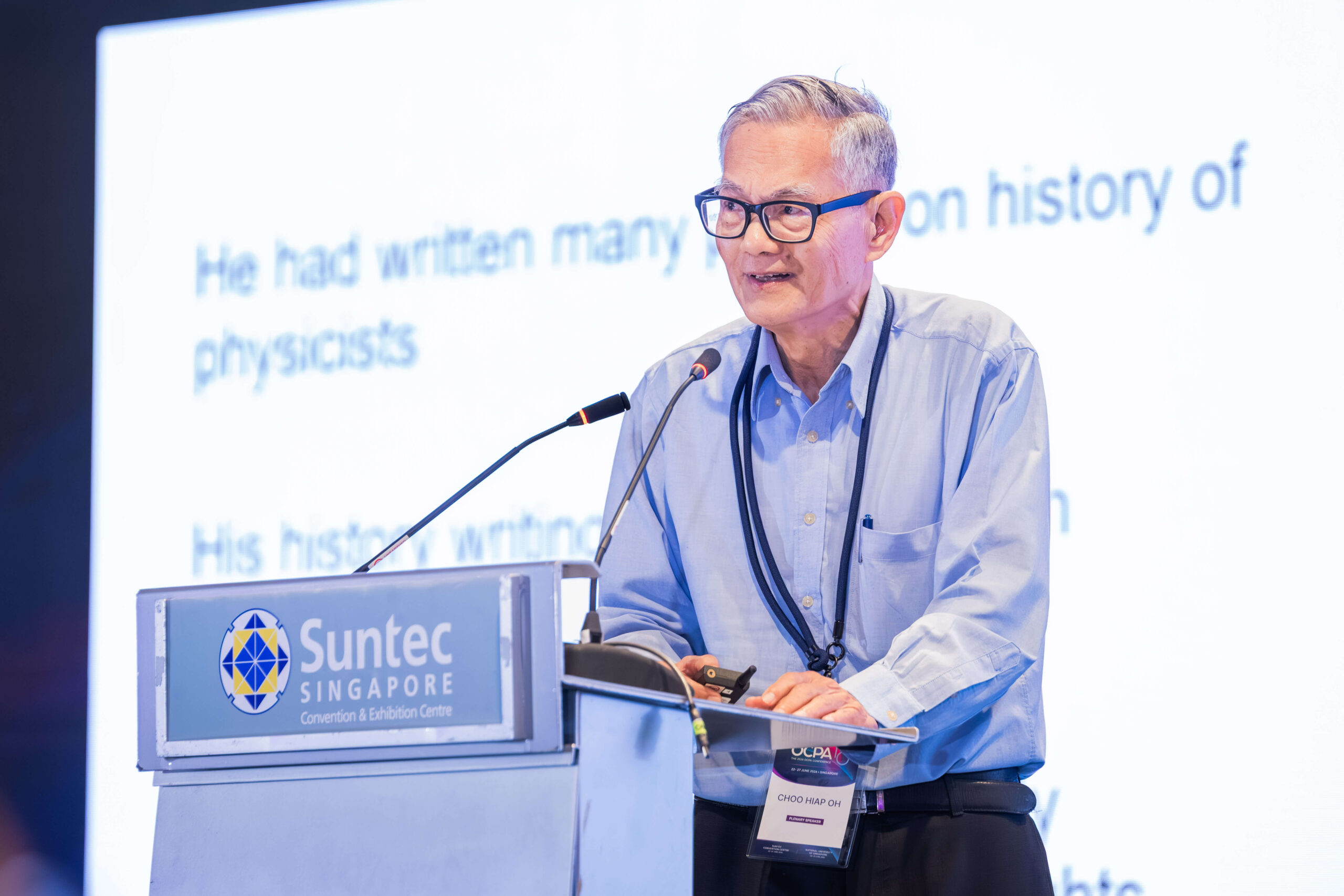
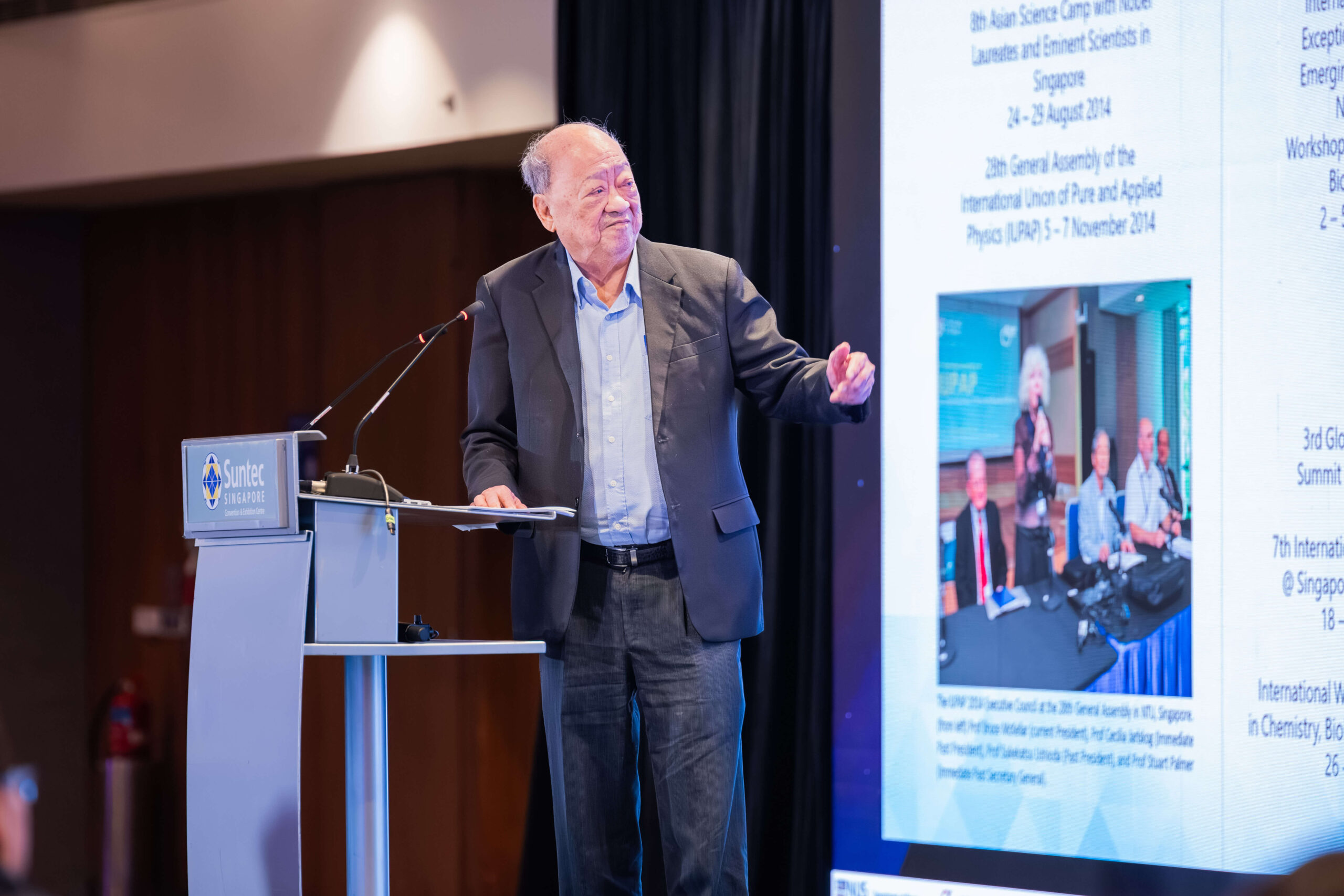
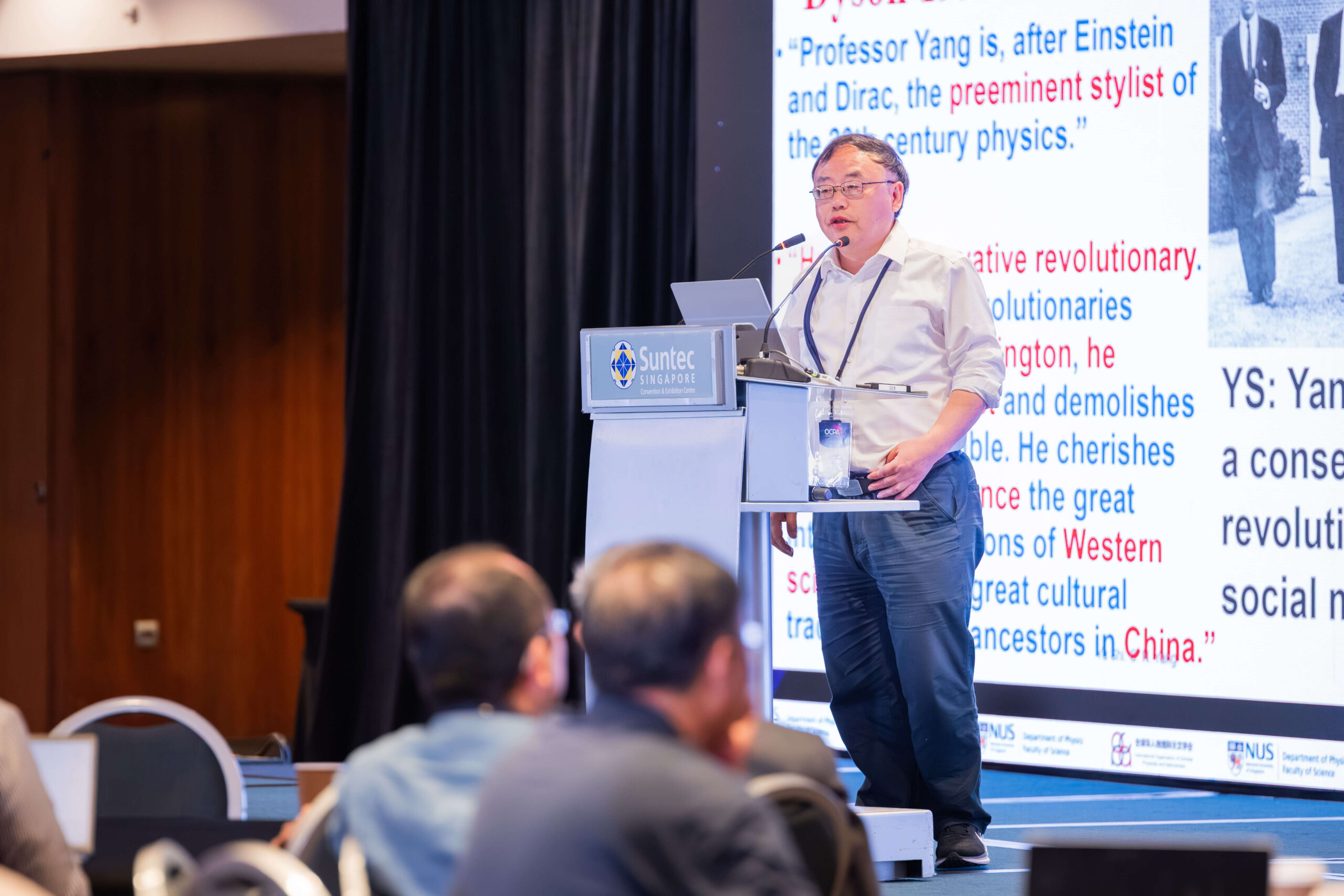
OCPA10 also featured invited and contributed talks which ran in parallel sessions covering the latest experimental and theoretical developments in subfields of physics and astronomy such as biophysics, condensed matter physics, plasma physics, and statistical mechanics. New progress in physics education including artificial intelligence-assisted physics instructional design was also in the discussions.
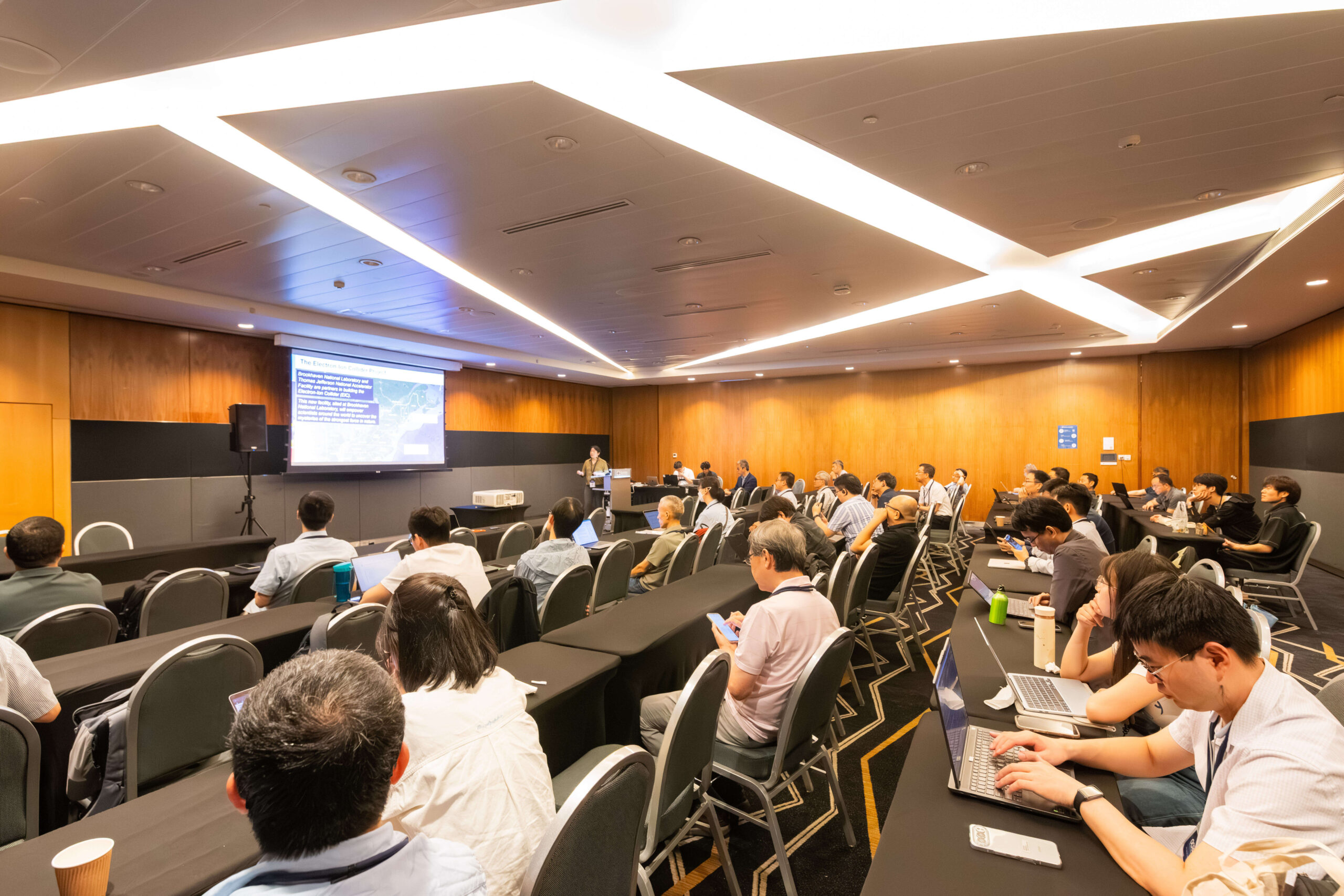
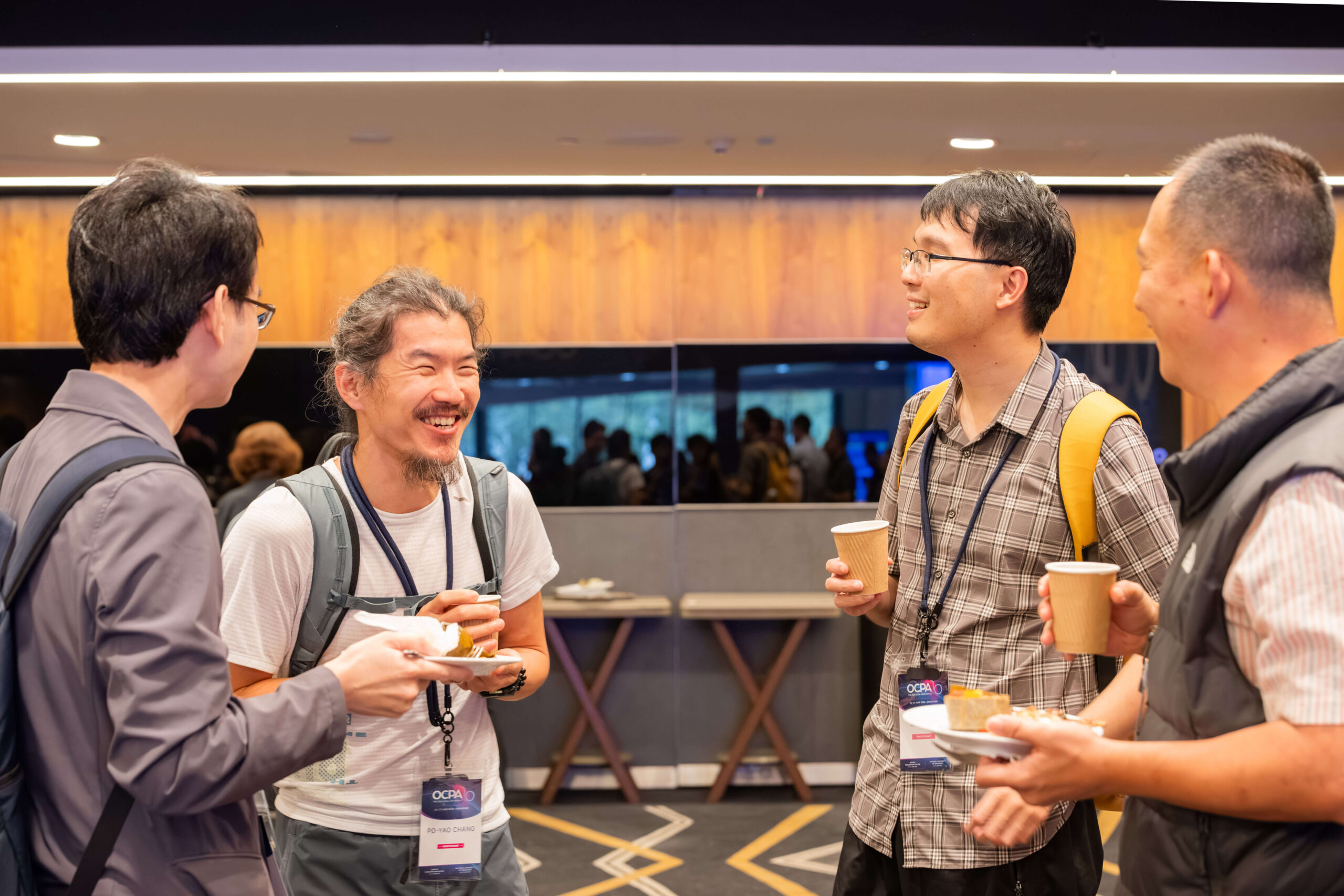
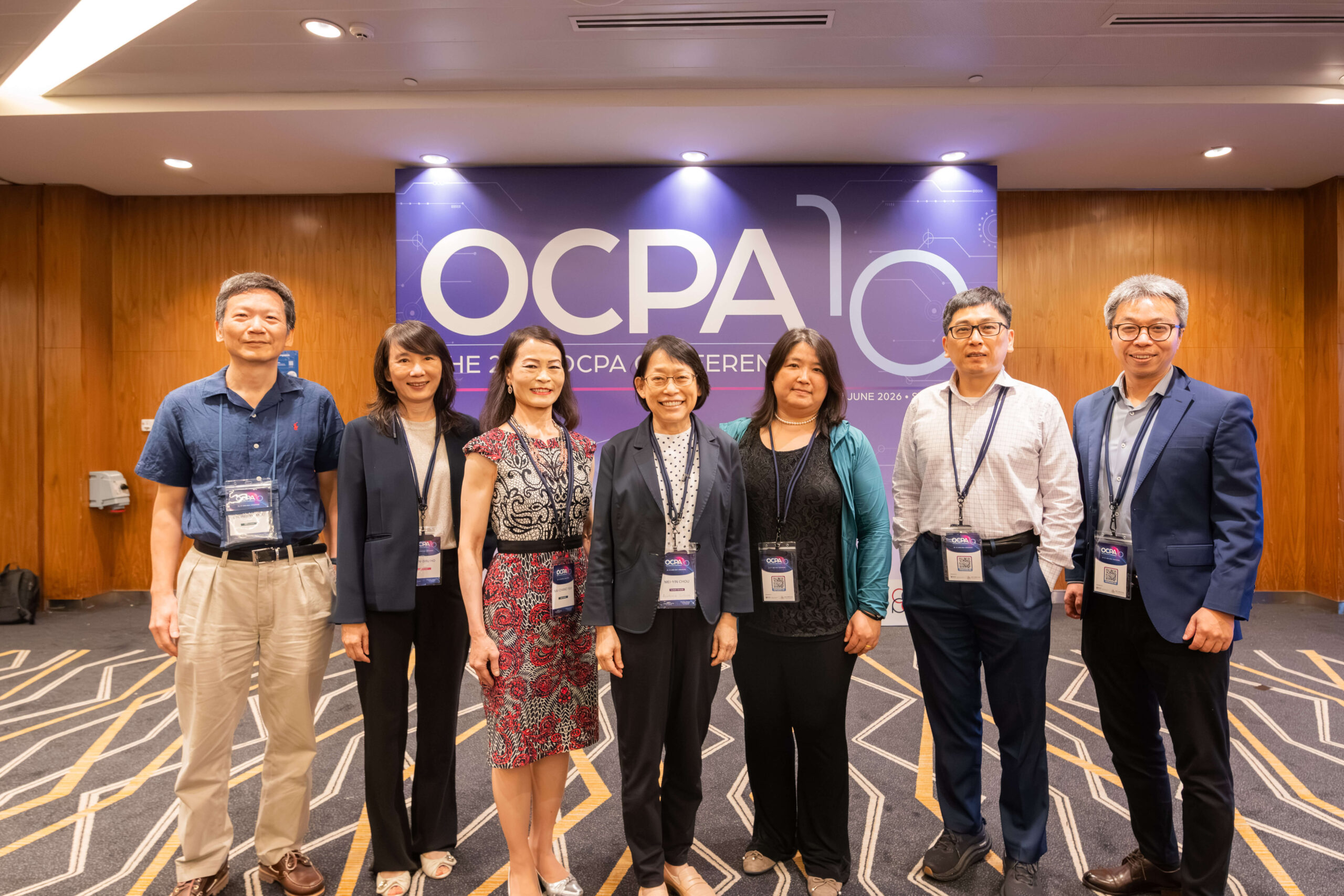
Dr Bu Jinyu, a researcher from the University of Science and Technology of China, signed up as a speaker upon learning about the conference from a poster in her institute. She was glad that the conference provided an opportunity for her to share her research and raise awareness of her research field.
NUS Physics alumnus Dr John Soo from the Universiti Sains Malaysia became curious when he first learned about OCPA10. The proximity of the event to his home country was another motivating factor for attending OCPA10. Dr Soo remarked, “I think it’s good to hear some really great talks from a lot of big names and from different fields. I myself am from astrophysics. Now we are going into a lot of multidisciplinary fields, and so I want to know how we can branch out from astronomy to other fields.”
For Prof Xu Qinghua from Shandong University, OCPA was not a strange name. He first learned about OCPA in 1995 as a graduate student. He received an invitation from the nuclear physics session organiser this year and did not hesitant to register. “I’m working in the nuclear physics field, also high-energy physics. In the parallel sessions, several names and topics sound quite familiar to me. I hope to communicate with scientists around the world and learn about the latest developments in my field and other areas of physics as this conference covers quite a wide range of topics,” commented Prof Xu.
Having done research in biophysics in NUS from 2002 to 2013, Prof Hu Chen from Xiamen University was just happy to be back in Singapore for OCPA10. He hoped to meet new friends, exchange research ideas, and, most importantly, to share his group’s scientific results with the physics community.
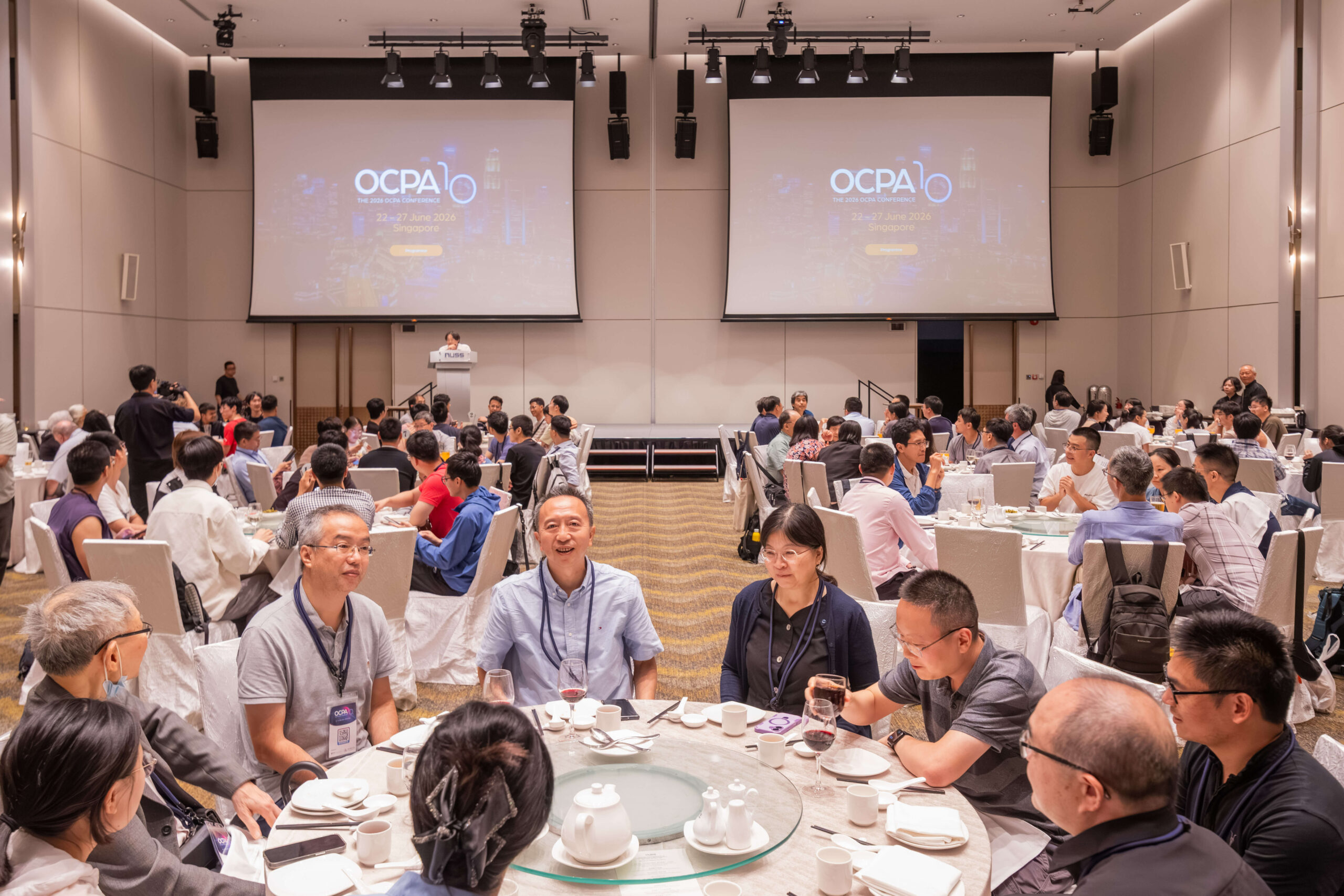
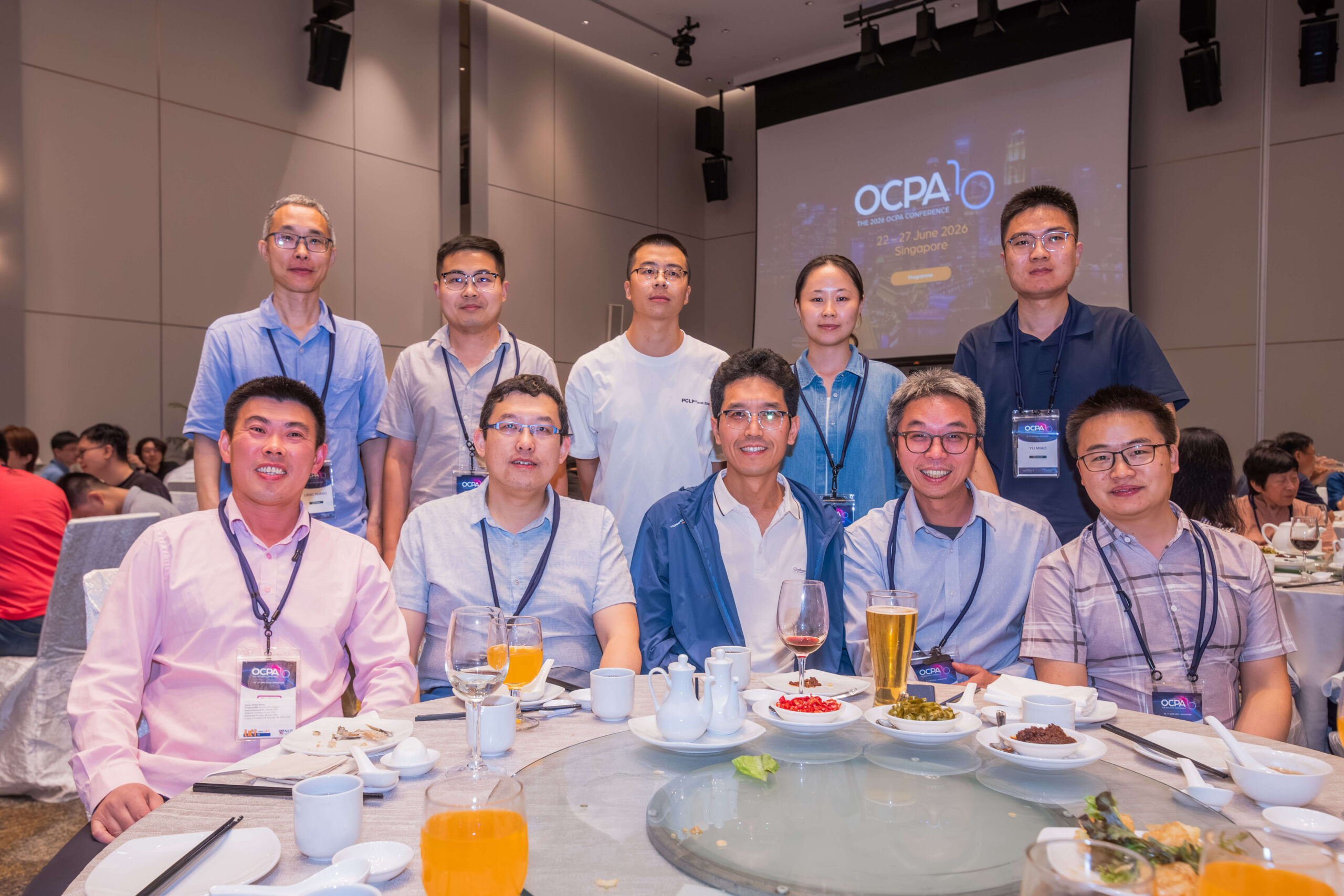
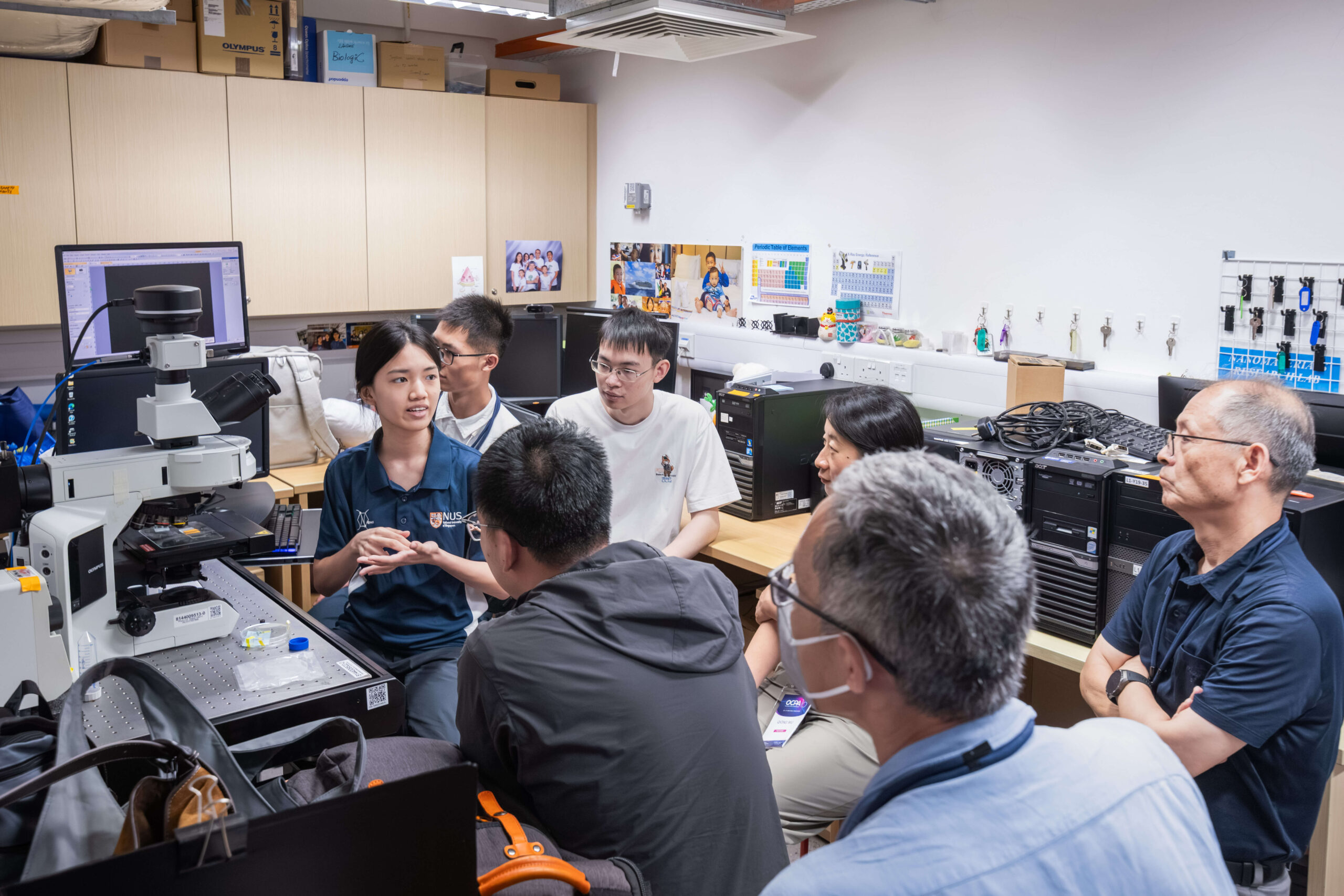
A banquet dinner was held for participants towards the end of the conference. By then, complete strangers had become friends as conversations and the sharing of insights continued across the dining tables. Participants who remained also enjoyed a tour of NUS campus and various physics laboratories the following day.
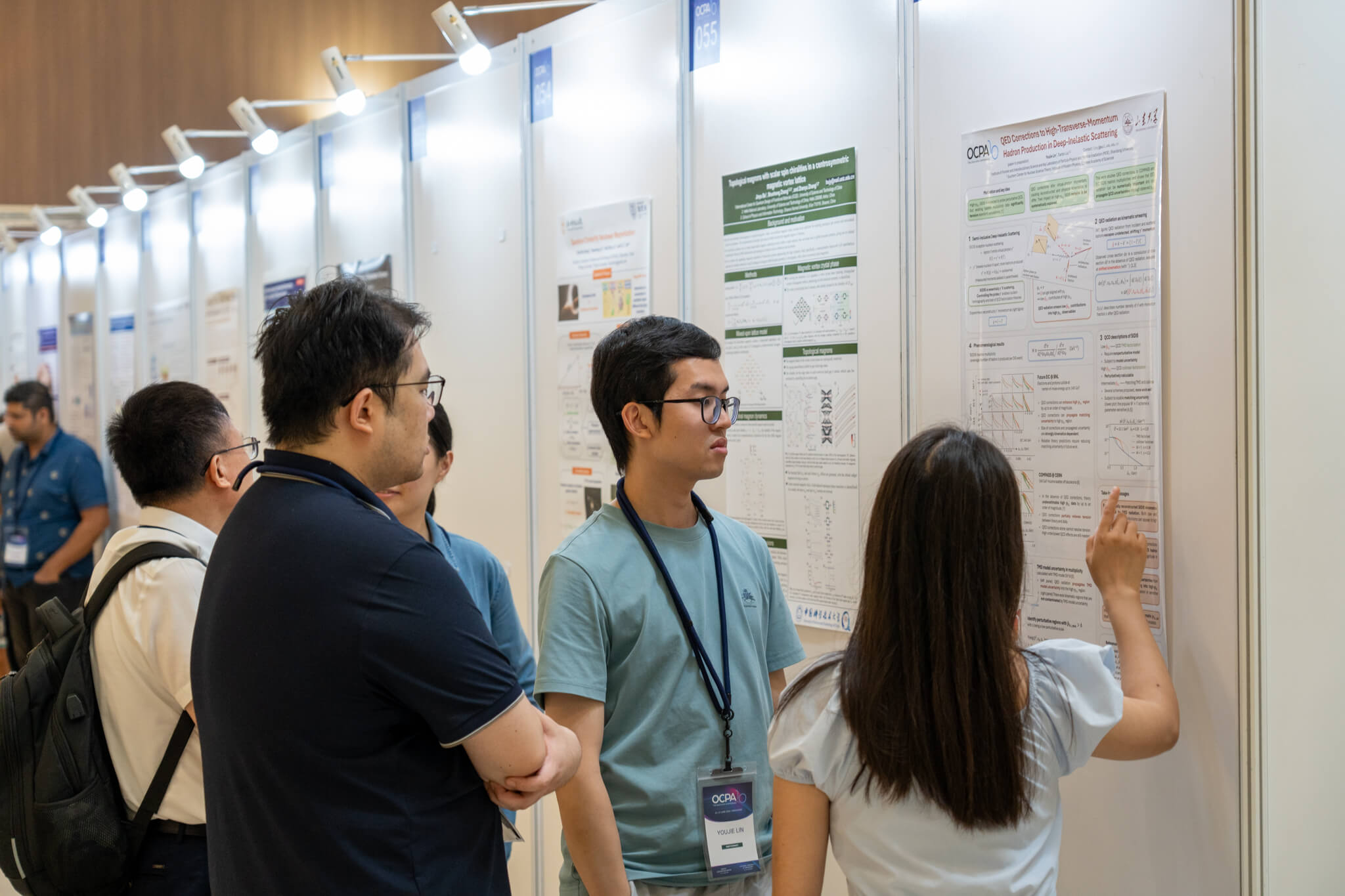
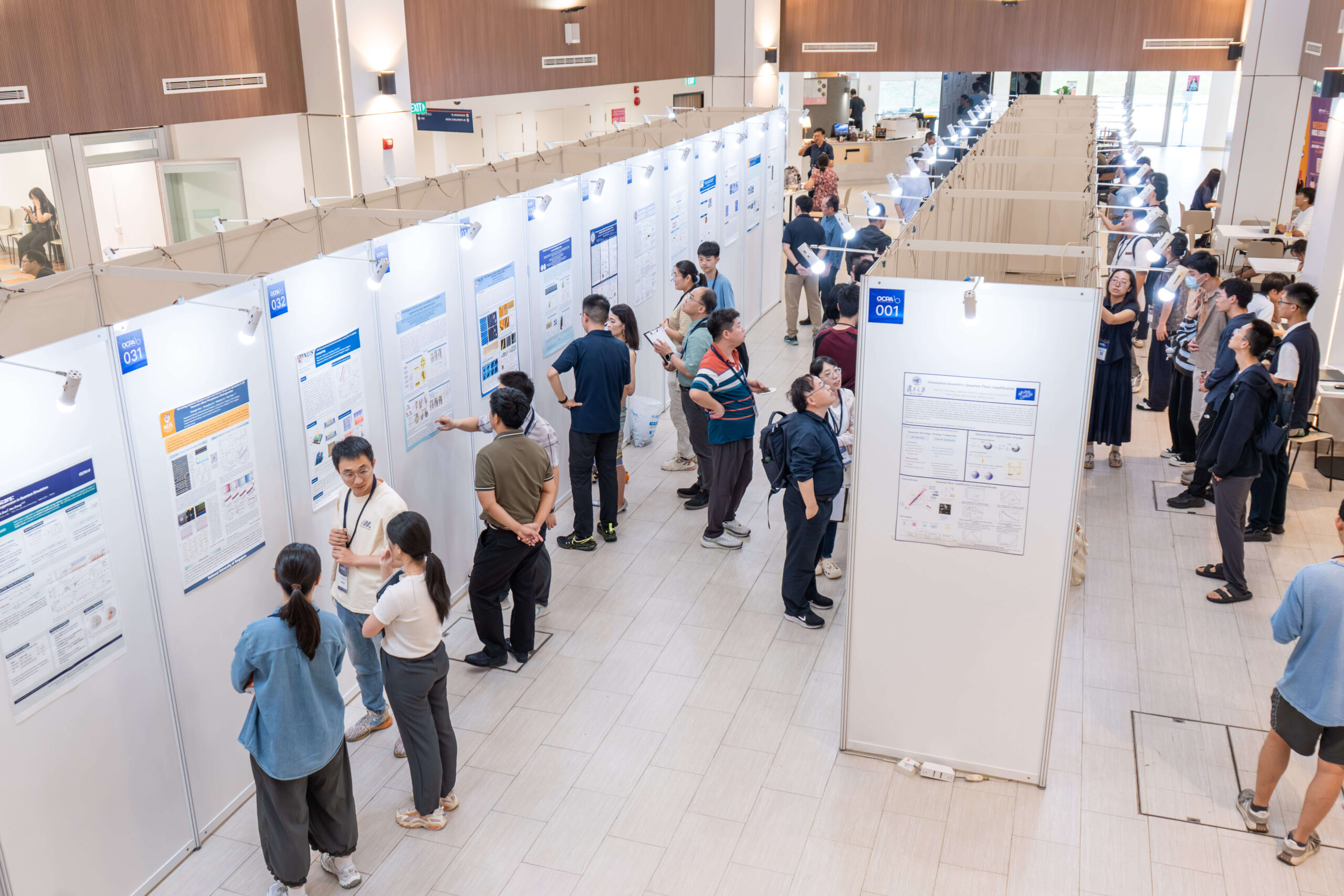
When interviewed about his impression of OCPA10, Dr Xu Hanghua, a researcher from the Shanghai Advanced Research Institute, shared that he was inspired by the talks and impressed by the poster sessions. “I read all the posters. Some of them gave me further inspiration. I learned a lot about areas of physics outside my field, like quantum physics and solid state physics. I also enjoyed the banquet dinner where I met some scientists for the first time but we sat together and spoke our common language, sharing lots of ideas about physics. I think OCPA10 is really wonderful.”
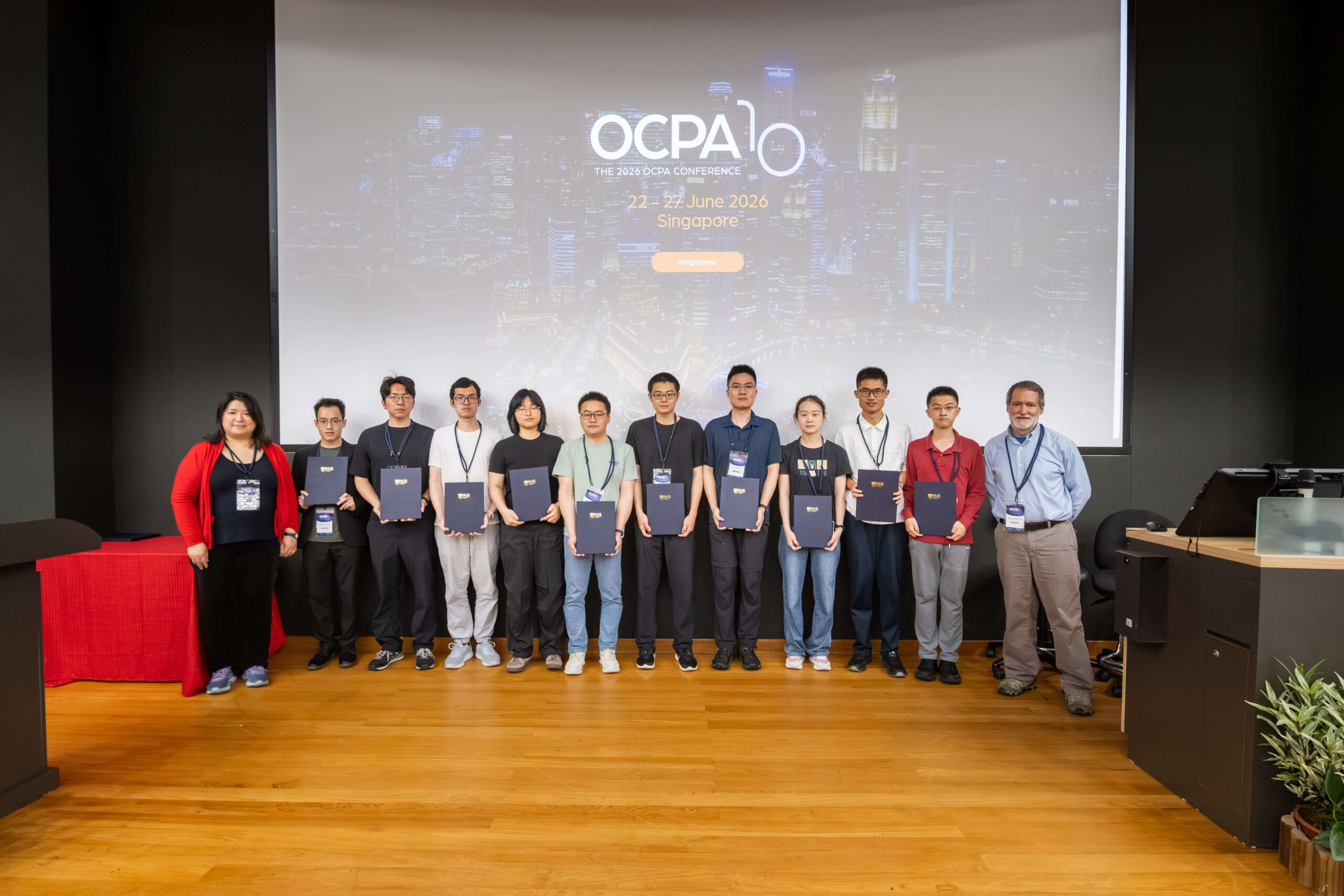
At the closing ceremony held at NUS, the president of APS, Prof Brad Marston, presented awards to the winners of the Best Poster Awards. Prof Gong thanked all the poster contributors and noted that poster sessions allowed presenters to have more in-person interactions with the audience and were especially important for students. “Some random remarks from the audience might change your way of thinking or establish some connection. All of this will help you later in your career.”
Prof Gong also thanked Prof Liu Chen Yu from the University of Illinois at Urbana-Champaign for her hard work as chair of the Poster Award Committee. Vice president of OCPA and co-chair of OCPA10, Prof Gao Xuan from the Case Western Reserve University, articulated his gratitude to APS for readily agreeing to sponsor the poster awards when approached.
In his closing speech, Prof Gong expressed his hope that the OCPA conference has made a meaningful impact on the young participants in particular, that “the legacy of OCPA by our pioneers, Prof Chang Ngee Pong as a founding member of OCPA, will be carried forward by you for many years to come. Some of you will stand up to organise OCPA15, OCPA18, OCPA20, and keep it going.”
Prof Gao voiced his disbelief that OCPA10 had come to an end as he recalled vividly the days when preparations for the conference just started. There were challenges and constraints like travel restrictions, but the OCPA committee was grateful that things worked out thanks to Prof Gong and his team for their excellent support. “You know, it’s not just like the scientific programme has been great, but that your team really took care of everybody so nicely,” added Prof Gao.
Given the many enquiries about the next OCPA conference, the OCPA committee has already held a preliminary meeting, and it was decided that the next conference will likely be in a few years’ time. However, the venue is yet to be confirmed.
Beyond the five days of scientific exchange in the shape of OCPA10, it is hoped that the conference will strengthen international partnerships and inspire the next generation of physicists and astronomers for years to come.
A special shout-out to the NUS Conference Event Unit, sponsors, institutional partners NUS Physics support staff, and student helpers for their months of dedication and preparation leading to the success of OCPA10.
(Click here for the OCPA10 homepage, here for the list of sponsors and institutional partners and here for more photos.)