
PLANCKS, 1 – 5 May 2025
Two teams of undergraduates from NUS Physics have the privilege of participating in PLANCKS 2025, an international physics competition for bachelor’s and master’s students. Each year, the event combines a challenging physics contest with a three- or four-day programme filled with social and scientific activities. PLANCKS offers a platform for students all over the world to compete, connect and share their passion for physics. Participants also have the opportunity to explore the host country’s research environment and culture.
Since its inaugural meeting in Utrecht 2014, PLANCKS has become a cornerstone event for fostering international collaboration and creating lasting connections between physics students worldwide. PLANCKS Barcelona 2025 marked the 12th edition of this competition.
Full funding for registration and air fare from the department have been provided to support the NUS physics undergraduates. We congratulate the students who have won the 8th and 11th places out of 46 places!
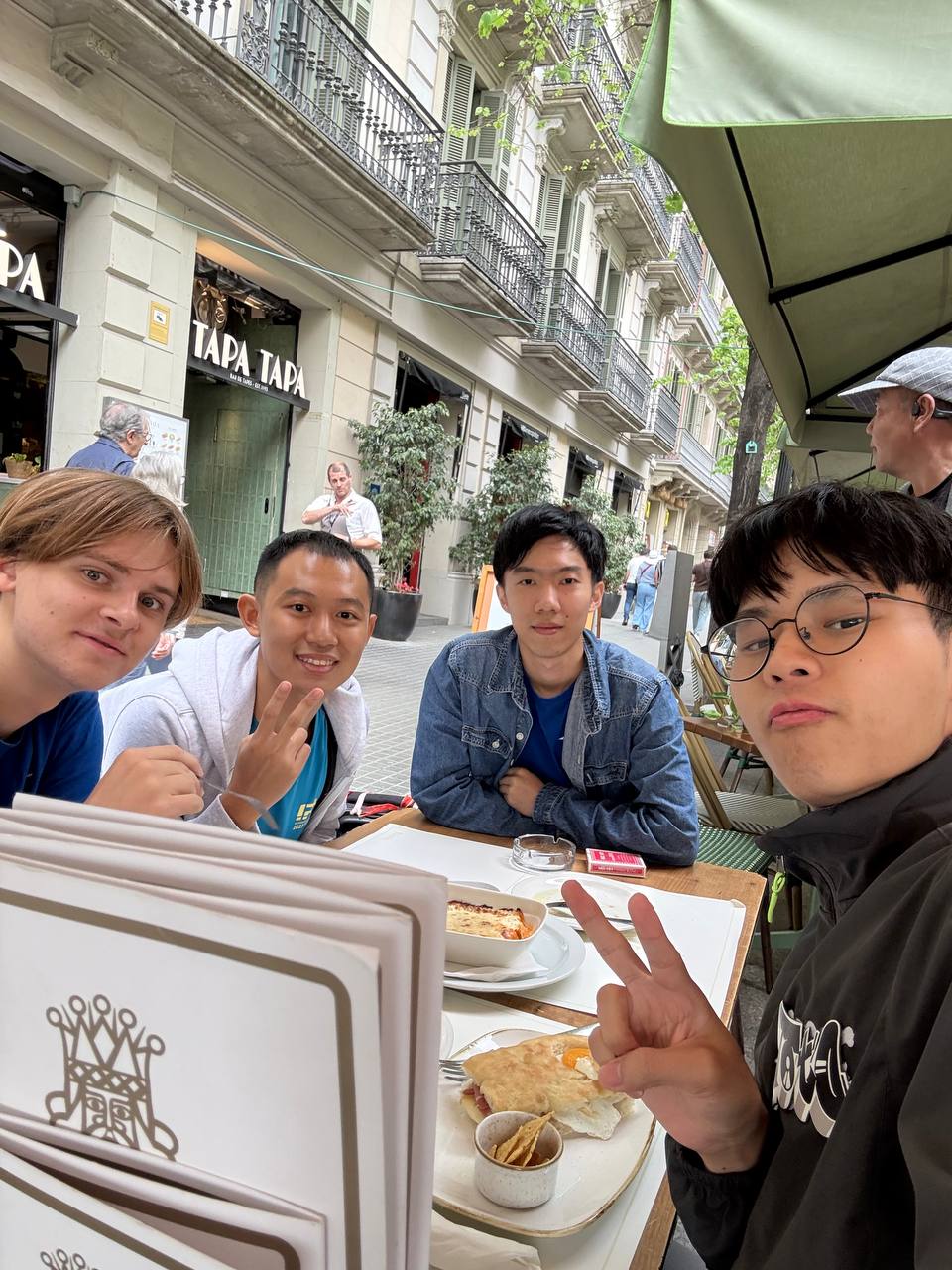
Having done competitive physics before, I’ve always enjoyed the thrill of solving tough problems under time pressure. When our group met for the preliminary, we figured—why not give PLANCKS a shot? It sounded like a fun opportunity to challenge ourselves again, and the idea of doing it on an international stage was too exciting to pass up.
The event itself came with its own set of challenges; jet lag and sleep deprivation definitely took a toll, and I was pretty much running on coffee during the trip. But it was all worth it. We attended several fascinating talks, including one by a Nobel laureate, and got to hear about the latest research and industry developments in Europe—insights that you rarely come across back in Singapore. It was an eye-opening experience, both academically and culturally.
Chang Kian Yau
I signed up for PLANCKS because previously I had Olympiad experience and I felt that it was a good opportunity to hone my problem-solving skills with more advanced topics being tested.
The biggest takeaway for me was the talk about attosecond by Nobel laureate Anne L'Huillier, after which I became very much inspired to consider pursuing experimental physics in my life. The organising committee had also scheduled a meaningful programme throughout the five days because this trip was not just about the exam but a look at the physics community that is active across the world. I have benefitted much from this trip, and I am grateful for that. I highly recommend this programme to all my physics friends.
Sim Hui Xiang
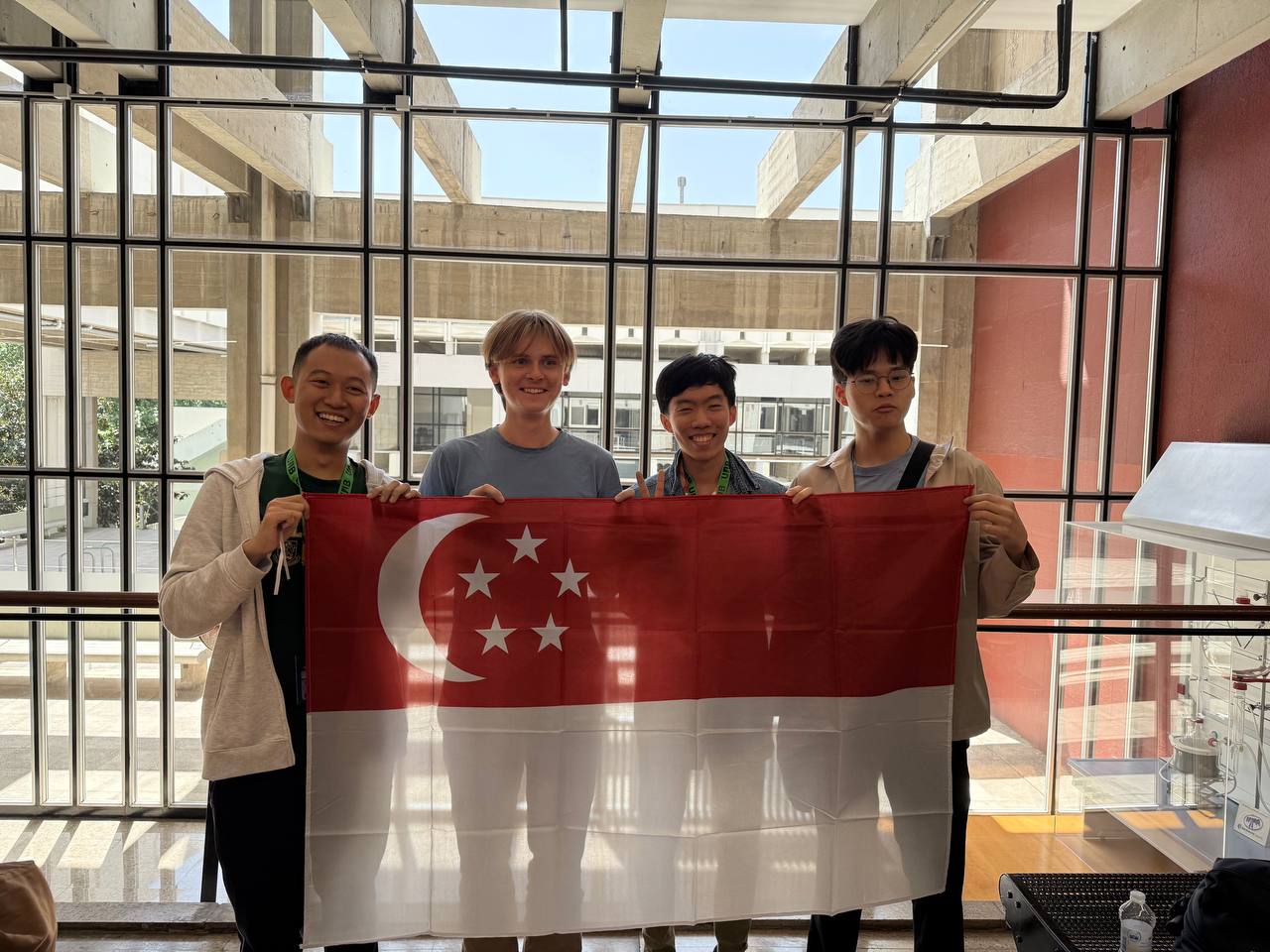
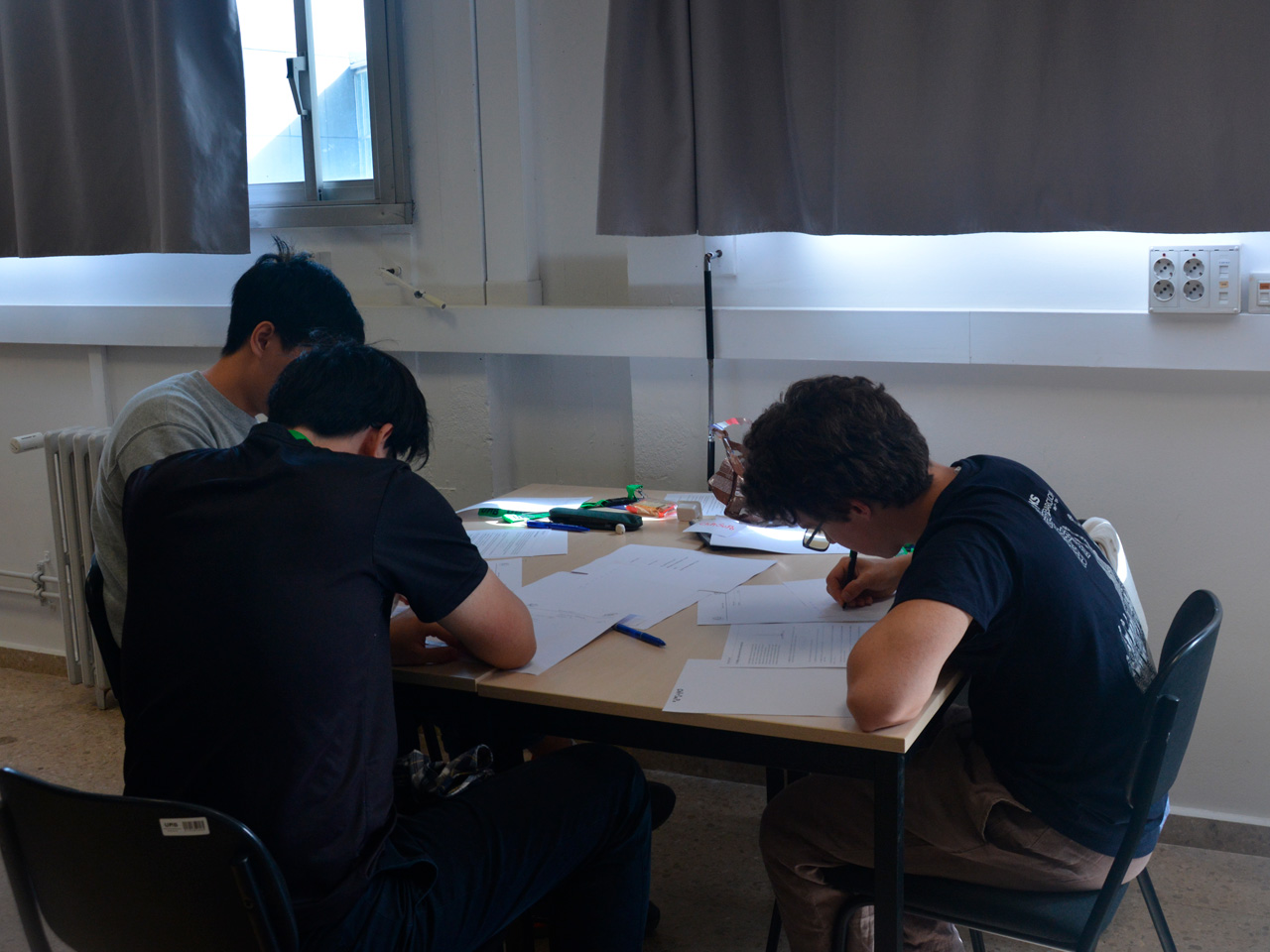
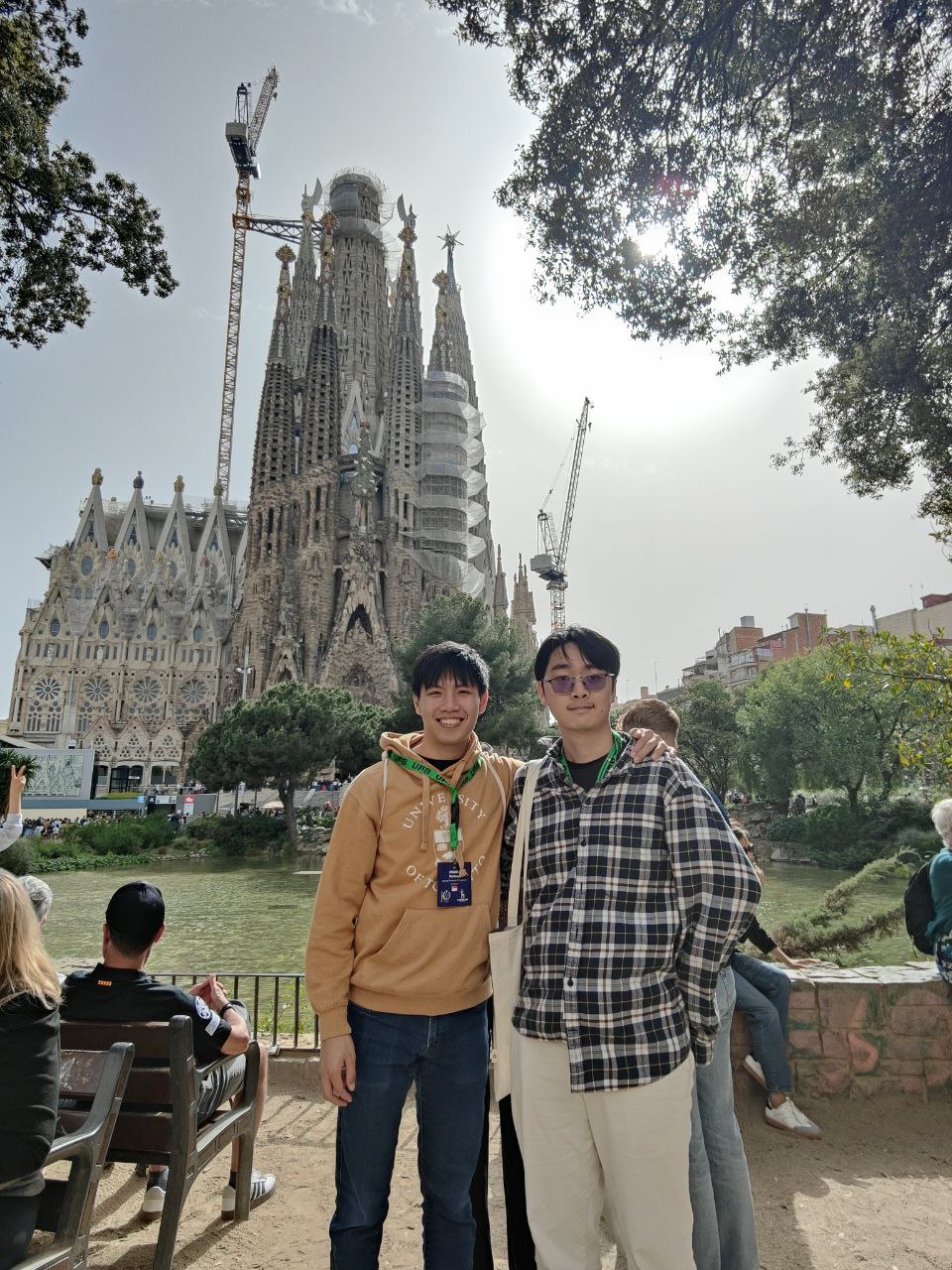
The main difficulty we faced was our deficient team—two of our NUS team members were sadly unable to attend. Being down 50% in strength was quite a significant obstacle. Moreover, our participation in the exam itself was at risk, as regulations imposed that teams must be composed of 3 to 4 members. In the end, the Spanish organising committee was kind enough to allow a Spanish observing student to join our team and participate in the exam. With his help, we performed quite well in the competition overall.
The event itself was quite enjoyable. Not only did we visit many nice landmarks in Barcelona, we also attended talks by multiple notable physicists, such as a Nobel Prize winner and a LIGO researcher. These talks were entertaining and informative; I learned plenty. Unfortunately, our trip was cut short as we had to fly back to Singapore early to take our final exams. Nevertheless, it was truly a once-in-a-lifetime experience.
Chang Hexiang
PLANCKS was my first international competition. Everything was so new and exciting for me. It was so much fun to explore a city not just as a tourist destination but also its labs, universities, and learning through lectures by renown scientists. I particularly enjoyed the invited talk by Nobel laureate Anne L'Huillier on attosecond physics.
For me the most rewarding part was meeting people from different countries and backgrounds. I met people from Serbia, Malta, Algeria and many other places. Learning about their culture, hearing their stories, and how it was like to study physics in their countries are eye-opening to me. In particular, we had the chance to have Nico, a passionate and talented physics student from Spain, join our group during the exam. We had really fun discussion with him about the competition, physics and life in general.
I would like to thank the department and IAPS Singapore student chapter for making this trip possible. The memories that this competition bring are definitely one that I cherish the most.
Pon Juan-Yi